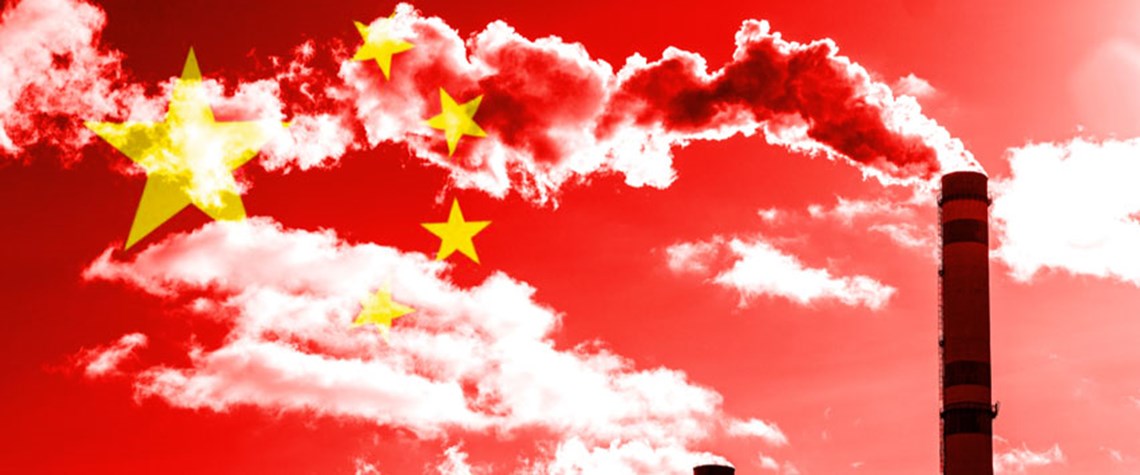
China is the world’s largest carbon emitter
China’s Five-Year Plan and ETS to see CO<sub>2</sub> rising till 2030
Concentration on reducing carbon intensity means total emissions are likely to continue to increase
China’s fourteenth Five-Year Plan, unveiled on 5 March, had the clearest focus yet on climate change. The world’s largest carbon emitter used the plan to officially launch its emissions trading system (ETS), underpinned by ambitious emission reduction targets in later years. The Five-Year Plan calls for carbon emissions to peak by 2030. Meanwhile, carbon intensity—emissions per unit of output—are set to decline by 18pc by 2025 from 2020 levels. Likewise, energy consumption per unit of GDP is set to decline by 13.5pc. Carbon intensity is intended to fall 65pc from 2005 levels by 2030. “The 18pc decrease in carbon intensity targeted for 2021-25 leaves room for yearly emissions to increas

Also in this section
9 January 2026
A shift in perspective is needed on the carbon challenge, the success of which will determine the speed and extent of emissions cuts and how industries adapt to the new environment
2 January 2026
This year may be a defining one for carbon capture, utilisation and storage in the US, despite the institutional uncertainty
23 December 2025
Legislative reform in Germany sets the stage for commercial carbon capture and transport at a national level, while the UK has already seen financial close on major CCS clusters
15 December 2025
Net zero is not the problem for the UK’s power system. The real issue is with an outdated market design in desperate need of modernisation