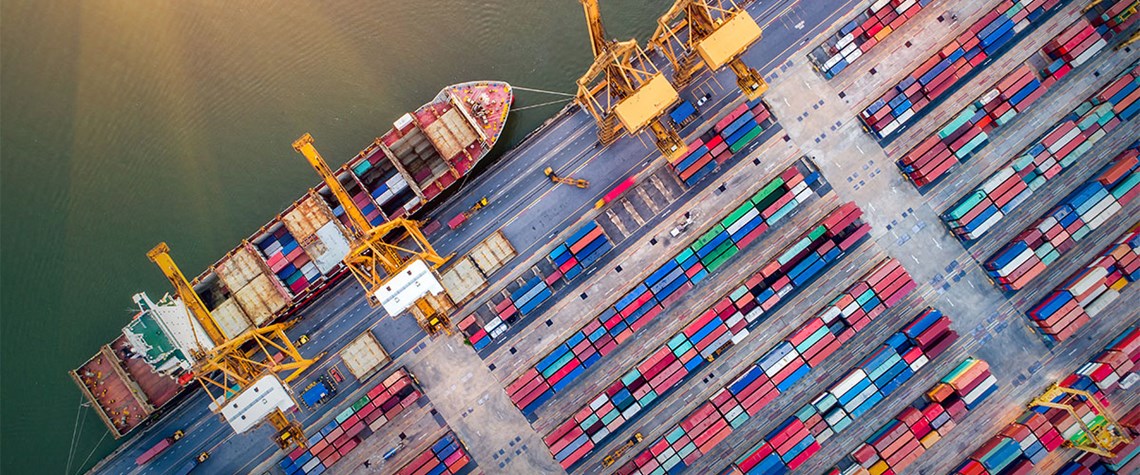
Countries outside the EU must pay a levy to import carbon-intensive products into the bloc
EU CBAM will have ‘coercive effect’
Scheme will punish other trading blocs that do not have a carbon price of a similar level, industry seminar hears
Europe’s upcoming carbon border adjustment mechanism (CBAM) will incentivise the bloc’s trading partners, including China, to price carbon in the same way, delegates at an industry seminar heard in Shanghai heard in early November. Proposed last year as part of the EU’s ‘Fit for 55’ package to slash emissions, the CBAM seeks to impose carbon costs on imports of some high-carbon goods from outside Europe— including steel, cement, electricity and chemicals. The tariff aims to mitigate the risk of carbon leakage, when industries are drawn from areas with high carbon prices, such as those imposed by the EU’s emissions trading system (ETS), to those without. The CBAM has not been well-received in

Also in this section
12 March 2026
Role of world’s largest carbon cap-and-trade market under scrutiny as war in Iran threatens to drive EU energy costs to unsustainable levels
10 March 2026
Europe urgently needs to bring more projects to FID, as CCS investors warn they might divert capital to faster-growing regions
9 January 2026
A shift in perspective is needed on the carbon challenge, the success of which will determine the speed and extent of emissions cuts and how industries adapt to the new environment
2 January 2026
This year may be a defining one for carbon capture, utilisation and storage in the US, despite the institutional uncertainty