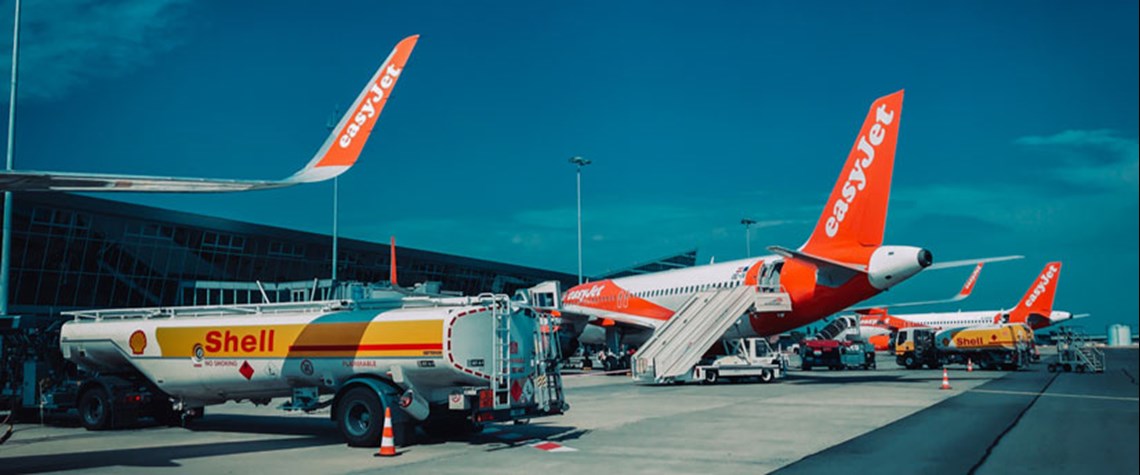
The aviation sector aims to decarbonise via sustainable aviation fuels
The future of e-fuels – part two: Aviation
Liquid fuel in the form of low carbon sustainable aviation fuels likely to be needed for longer-haul routes as hydrogen aircraft will be limited to short-haul over 2035-2050
As mentioned in part one of this two-part series, the two e-fuels widely expected to perform best in coming decades are e-ammonia for long-distance maritime shipping and e-kerosene for aviation. Part two explores the potential of e-kerosene in the context of sustainable aviation fuel (SAF)—a sectoral term for biofuels and e-fuels and the primary way the global aviation sector is hoping to decarbonise through 2050—followed by the major barriers e-kerosene must first overcome. Potential scale The aviation sector acted as a trendsetter in 2009 when the Geneva-based International Air Transport Association (IATA), representing almost 300 airlines worldwide, set a goal of slashing its CO₂ emission

Also in this section
9 March 2026
Hydrogen has not stalled in the UK because the technology does not work. The problem is that the system around it does not yet move at the speed required
4 March 2026
Turmoil in Middle East reminds nascent clean hydrogen sector that its future prospects are dependent on global energy markets and geopolitics
25 February 2026
Low-carbon hydrogen and ammonia development is advancing much more slowly and unevenly than once expected, with high costs and policy uncertainty thinning investment. Meanwhile, surging energy demand is reinforcing the role of natural gas and LNG as the backbone of the global energy system, panellists at LNG2026 said
18 February 2026
Norwegian energy company has dropped a major hydrogen project and paused its CCS expansion plans as demand fails to materialise