


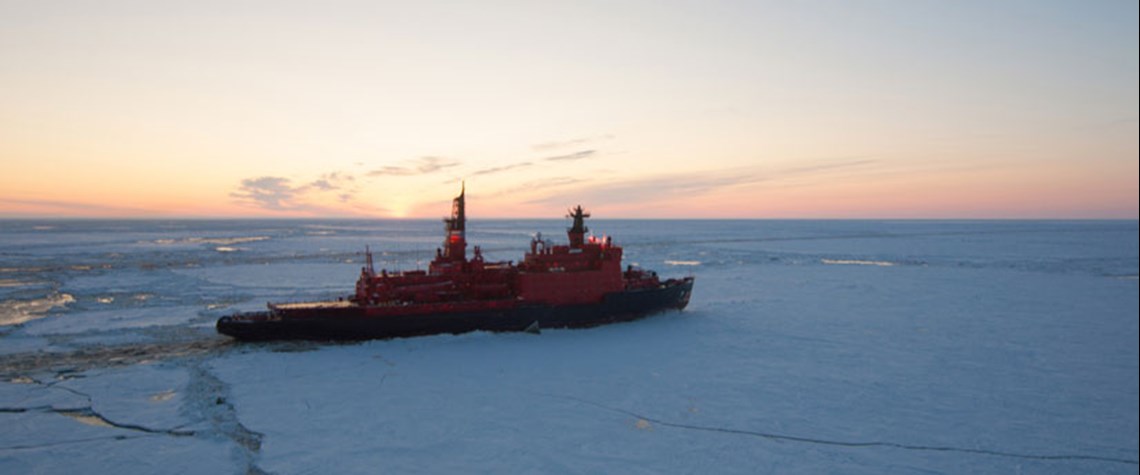
The Arctic navigation window has increased but is still not year-round
Winter LNG transit highlights Arctic’s growing role
Russia is leading the charge to normalise Arctic shipping as the region warms
Arctic waters are becoming increasingly navigable as a result of climate change, and Russia is leading the way in attempting to normalise shipping in high latitude regions. To the west, Canada and the US are already in disagreement over the status of the Northwest Passage. But shipping in the Arctic still poses significant challenges and is likely to remain mostly confined to Russian LNG shipments for now. The Northern Sea Route (NSR) along Russia’s Arctic coast cuts the voyage from Europe to Asia “by more than a third”, according to Russian deputy prime minister Yury Trutnev. A total of 33mn t of cargo, including 18mn t of LNG, was transported via the route in 2020, a fivefold increase in f

Also in this section
5 March 2026
Gas is a central pillar of Colombia’s energy system, but declining production poses a significant challenge, and LNG will be increasingly needed as a stopgap. A recent major offshore gas discovery offers hope, but policy improvements are also required, Camilo Morales, secretary general of Naturgas, the Colombian gas association, tells Petroleum Economist
4 March 2026
The continent’s inventories were already depleted before conflict erupted in the Middle East, causing prices to spike ahead of the crucial summer refilling season
4 March 2026
The US president has repeatedly promised to lower gasoline prices, but this ambition conflicts with his parallel aim to increase drilling and could be upended by his war against Iran
4 March 2026
With the Strait of Hormuz effectively closed following US-Israel strikes and Iran’s retaliatory escalation, Fujairah has become the region’s critical pressure release valve—and is now under serious threat


