


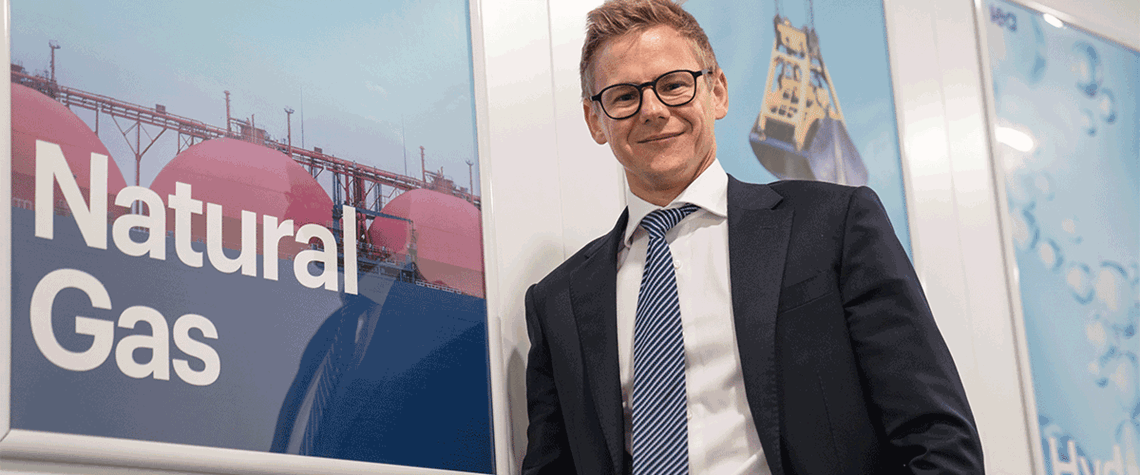
Gergely Molnar, IEA LNG analyst
IEA’s Molnar says LNG is more back-up supply than transition fuel
Russia’s invasion of Ukraine has forever changed gas markets and prompted renewed interest in storage and previously unattractive developments, but the long-term future of the fuel is doubtful
The shock to European gas markets caused by the war in Ukraine has reverberated all around the world, raising issues about global supply and the emergence of Europe as a premium LNG market, and planting seeds of doubt in Asia around its LNG push. There are also far-reaching consequences for security of supply infrastructure and storage as well as long-term thinking around the energy transition. Petroleum Economist dives deep into the issues with this exclusive interview with Gergely Molnar, the IEA’s top LNG analyst. How has Europe's new gas strategy changed the global LNG market? Molnar: When we look back to 2022, we see the European gas market suffered a major supply shock resulting from

Also in this section
13 March 2026
Brussels is again weighing a cap on gas prices amid the Hormuz crisis, but the measure could backfire by deterring the LNG cargoes Europe urgently needs
12 March 2026
Emergency oil stocks provide a last line of defence to oil market shocks, so the IEA’s unprecedented 400m bl release represents something of a double-edged sword
12 March 2026
LPG could rapidly expand access to clean cooking across Africa and prevent hundreds of thousands of deaths from indoor air pollution each year, but infrastructure shortages and regulatory barriers are slowing investment and market growth
11 March 2026
Missiles over Dubai and disruption in Hormuz are testing the emirate’s reputation—and shaking the energy hub at the centre of the Gulf economy


