


Newsletters | Request Trial | Log in | Advertise | Digital Issue   |   Search
  • Upstream
  • Midstream & Downstream
  • Gas & LNG
  • Trading & Markets
  • Corporate & Finance
  • Geopolitics
  • Podcasts
Search
Related Articles
MENA states try to change their gas fortunes
While Syria has gas import plans and Jordan is targeting greater production, Egypt is struggling with declining output and Lebanon with the after-effects of conflict
Libya’s NOC sees E&P optimism through the anger
North African producer hopeful of bringing in IOCs despite the disagreements over terms as latest bidding round is launched
Hydrocarbon Processing Refining Databook 2025: Middle East & Africa
The Middle East is focusing on modernisation and expansion projects, while Africa is seeking to reduce its imports of refined products
Libya’s armed oil industry takeover
Booming crude production has been met with international caution after the UN’s damning assessment
Iran and Libya supply fortunes highlight market risks
The impact from Libya’s lost barrels versus the threats to Iranian supply highlight the type of buffer in the oil market and the demand implications
Chaos the new normal for Libya’s oil sector
Hopes for a recovery by the North African oil producer remain in tatters
Outlook 2024: Libya ready for investment
New strategic plan includes significant investment in oil and gas
Libya’s upstream promise still hamstrung by instability
But the troubled north African nation is not short of international investment interest
Libya targets 2m b/d oil before 2030
Oil minister Oun sends out cautiously optimistic message on oil and gas outlook and says pilot project ready to unlock huge shale reserves key to further growth
Explorers return to Libya despite fragile security
Peace means progress for Libya’s upstream, but disruption is never far away
Libya
Chris Stephen
Tunis
26 September 2017
Follow @PetroleumEcon
Forward article link
Share PDF with colleagues

How much longer can Libya's NOC defy political gravity?

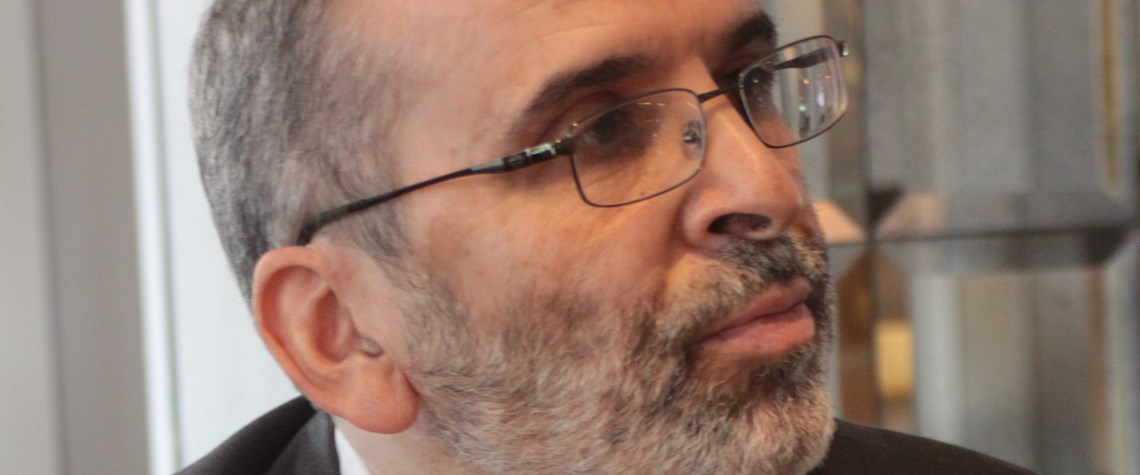
Output has soared and the state firm is targeting another 30% increase by year-end. Politics remains the big obstacle

National Oil Corporation (NOC) deserves the plaudits. Libya's oil production, hovering around 1m barrels a day in July and August, is about four times greater than a year ago. Mustafa Sanallah, the company's chairman, wants yet more, hoping to lift output to 1.3m b/d by end-2017. Civil war, political chaos and the ever-present risk of disruptions remain headwinds. As if to remind everyone of the delicate balance achieved by NOC in recent months, on 6 August gunmen stormed the control room at Zawiya, a port in northwest Libya that is the terminus for a pipeline from Sharara, Libya's largest producing oilfield. The disruption, the result of rivalry between militias at the port, looked like it

Also in this section
Indian refiners prove their adaptability
23 January 2026
A strategic pivot away from Russian crude in recent weeks tees up the possibility of improved US-India trade relations
Gas deal keeps Lebanon’s offshore hopes alive
23 January 2026
The signing of a deal with a TotalEnergies-led consortium to explore for gas in a block adjoining Israel’s maritime area may breathe new life into the country’s gas ambitions
Letter from Saudi Arabia: Big oil meets big shovel
Opinion
22 January 2026
As Saudi Arabia pushes mining as a new pillar of its economy, Saudi Aramco is positioning itself at the intersection of hydrocarbons, minerals and industrial policy
Turkey locks in more Azeri gas
22 January 2026
New long-term deal is latest addition to country’s rapidly evolving supply portfolio as it eyes role as regional gas hub

Share PDF with colleagues

COPYRIGHT NOTICE: PDF sharing is permitted internally for Petroleum Economist Gold Members only. Usage of this PDF is restricted by <%= If(IsLoggedIn, User.CompanyName, "")%>’s agreement with Petroleum Economist – exceeding the terms of your licence by forwarding outside of the company or placing on any external network is considered a breach of copyright. Such instances are punishable by fines of up to US$1,500 per infringement
Send

Forward article Link

Send
Sign Up For Our Newsletter
Project Data
Maps
Podcasts
Social Links
Featured Video
Home
  • About us
  • Subscribe
  • Reaching your audience
  • PE Store
  • Terms and conditions
  • Contact us
  • Privacy statement
  • Cookies
  • Sitemap
All material subject to strictly enforced copyright laws © 2025 The Petroleum Economist Ltd
Cookie Settings
;

Search
