


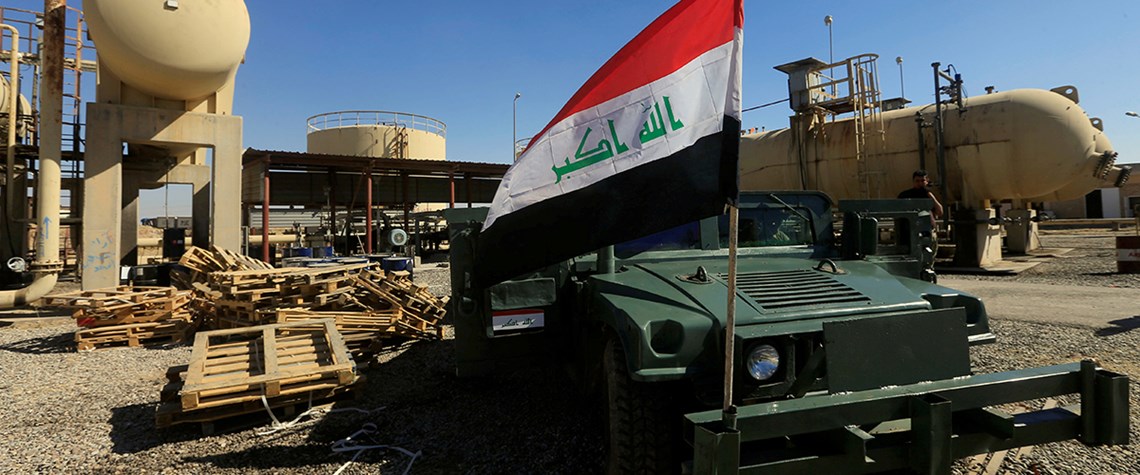
Iraq close to a deal?
The outlook for the energy sector is bright, but the post-elections political prospects remain cloudy
Two narratives dominate speculation in the aftermath of the parliamentary elections in May, and one should be cautious in giving them credibility, because there'll be much political 'horse trading' in the coming months. The first narrative claims that the Sadrist populist movement, with strong support among Iraq's poorest Shia communities, won the election. This is misleading. The Sadrists, led by the unpredictable cleric, Moqtada al-Sadr, performed better than expected. His Sairoon bloc won 54 out of 329 seats, but its political clout is limited. For example, despite boycotting a parliamentary vote on an election recount, deputies voted it through. How much influence the Sadrists will have

Also in this section
13 March 2026
Brussels is again weighing a cap on gas prices amid the Hormuz crisis, but the measure could backfire by deterring the LNG cargoes Europe urgently needs
12 March 2026
Emergency oil stocks provide a last line of defence to oil market shocks, so the IEA’s unprecedented 400m bl release represents something of a double-edged sword
12 March 2026
LPG could rapidly expand access to clean cooking across Africa and prevent hundreds of thousands of deaths from indoor air pollution each year, but infrastructure shortages and regulatory barriers are slowing investment and market growth
11 March 2026
Missiles over Dubai and disruption in Hormuz are testing the emirate’s reputation—and shaking the energy hub at the centre of the Gulf economy


