


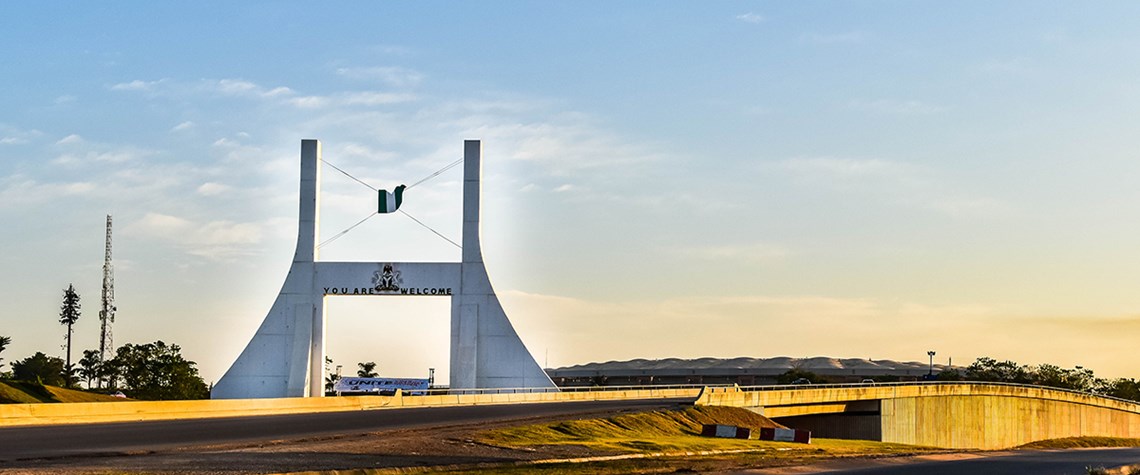
Nigeria's election hangs over energy sector
Africa's biggest economy is growing again. But next year's vote is stalling reform and investment in its crucial energy sector
Nigeria's economy has made a sluggish recovery over the past 12 months. After a plunge into negative growth last year, higher global oil prices are beginning to heal the wounds to state finances. The next 18 months will be fraught with political risk, but if investors are smart, they can hover over lucrative market positions and prepare to take a spending plunge when the time proves right. In oil, there'll be intense scrutiny of Total's Egina floating, production and storage offshore project over the next year. Once up and running, the FPSO will process 100,000 barrels a day of oil. But the sailing may not be easy. Militants in the Niger Delta say they may target the Egina, and analysts beli

Also in this section
5 March 2026
Gas is a central pillar of Colombia’s energy system, but declining production poses a significant challenge, and LNG will be increasingly needed as a stopgap. A recent major offshore gas discovery offers hope, but policy improvements are also required, Camilo Morales, secretary general of Naturgas, the Colombian gas association, tells Petroleum Economist
4 March 2026
The continent’s inventories were already depleted before conflict erupted in the Middle East, causing prices to spike ahead of the crucial summer refilling season
4 March 2026
The US president has repeatedly promised to lower gasoline prices, but this ambition conflicts with his parallel aim to increase drilling and could be upended by his war against Iran
4 March 2026
With the Strait of Hormuz effectively closed following US-Israel strikes and Iran’s retaliatory escalation, Fujairah has become the region’s critical pressure release valve—and is now under serious threat


