


Newsletters | Request Trial | Log in | Advertise | Digital Issue   |   Search
  • Upstream
  • Midstream & Downstream
  • Gas & LNG
  • Trading & Markets
  • Corporate & Finance
  • Geopolitics
  • Podcasts
Search
Related Articles
Turkey locks in more Azeri gas
New long-term deal is latest addition to country’s rapidly evolving supply portfolio as it eyes role as regional gas hub
OPEC’s discipline sets tone for 2026
OPEC+ remains on track as output falls, with only Gabon failing to hit its output targets in December, although Kazakhstan’s compliance was involuntary
OPEC presses pause
The group’s oil production declined in November, our latest analysis finds, amid divided sentiment over market balances and geopolitical jitters
Explainer: What do Russia’s oil giants own overseas?
Time is running out for Lukoil and Rosneft to divest international assets that will be mostly rendered useless to them when the US sanctions deadline arrives in mid-December
Letter from London: Oil’s golden triangle
The interplay between OPEC+, China and the US will define oil markets throughout 2026
Tax policy will shape Russia’s oil future
The consensus among market observers is that the country’s oil output will fall in the long term. Yet few recognise how Moscow’s shifting tax regime is designed to keep the next barrel commercially viable
The curious case of oil-on-water
The market is facing being drowned in excess crude, but one caveat is that a large chunk is due to buyers reluctant to snap up sanctioned barrels
Lukoil loses its growth prospects
The Russian firm made a significant attempt to expand overseas over the past two decades but is now trying to divest its global operations
OPEC+ nears output targets amid unsolved riddles
OPEC+ has proven to be astute at bringing back oil production, but mysteries around Chinese buying, missing barrels and oil-on-water have left the group in wait-and-see mode
Explainer: How the EU will wean itself off Russian gas
Questions remain about how the phase-out will be implemented and enforced in practice
Russia Opec Kazakhstan Azerbaijan Rosneft Gazprom Nord Stream 2
23 January 2018
Follow @PetroleumEcon
Forward article link
Share PDF with colleagues

Opec's new partner

Russian producers grudgingly adhered to the cuts and a stronger oil price helped perk up the economy

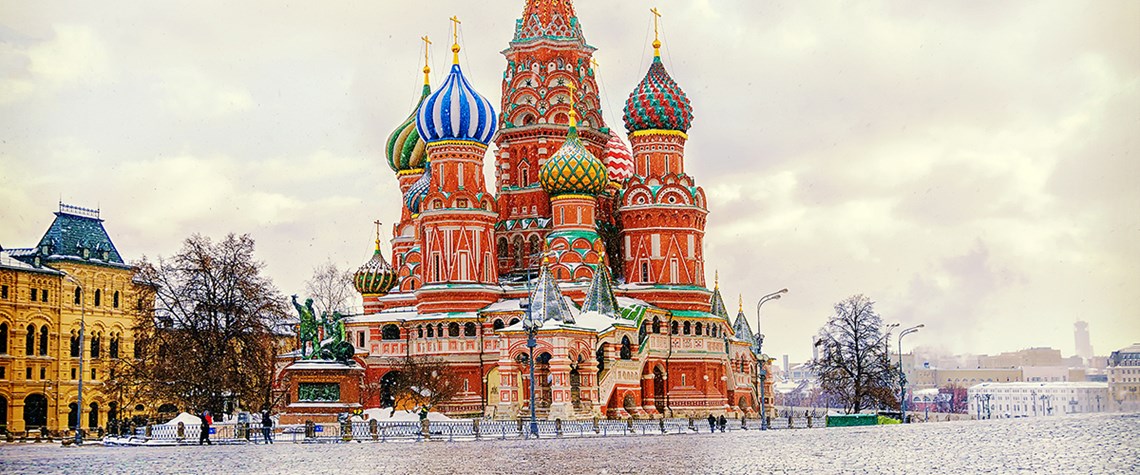
Russia made some unusual strides in its energy strategy in 2017. After agreeing to the supply pact with Opec at the end of 2016, it came good—surprising some—on its pledge to cut 300,000 barrels a day of output. Then, as the year moved on, its relationship with Saudi Arabia deepened further, becoming a broad investment and geopolitical alliance. The unorthodoxy wasn't to everyone's taste: many of Russia's own energy majors bristled at the Opec cuts, which forced them to shelve a number of greenfield projects in Siberia. By October, after the Saudi king's visit to Moscow and deals between the countries worth $3bn were agreed, it seemed the producers would have to get used to the new state of

Also in this section
Indian refiners prove their adaptability
23 January 2026
A strategic pivot away from Russian crude in recent weeks tees up the possibility of improved US-India trade relations
Gas deal keeps Lebanon’s offshore hopes alive
23 January 2026
The signing of a deal with a TotalEnergies-led consortium to explore for gas in a block adjoining Israel’s maritime area may breathe new life into the country’s gas ambitions
Letter from Saudi Arabia: Big oil meets big shovel
Opinion
22 January 2026
As Saudi Arabia pushes mining as a new pillar of its economy, Saudi Aramco is positioning itself at the intersection of hydrocarbons, minerals and industrial policy
Turkey locks in more Azeri gas
22 January 2026
New long-term deal is latest addition to country’s rapidly evolving supply portfolio as it eyes role as regional gas hub

Share PDF with colleagues

COPYRIGHT NOTICE: PDF sharing is permitted internally for Petroleum Economist Gold Members only. Usage of this PDF is restricted by <%= If(IsLoggedIn, User.CompanyName, "")%>’s agreement with Petroleum Economist – exceeding the terms of your licence by forwarding outside of the company or placing on any external network is considered a breach of copyright. Such instances are punishable by fines of up to US$1,500 per infringement
Send

Forward article Link

Send
Sign Up For Our Newsletter
Project Data
Maps
Podcasts
Social Links
Featured Video
Home
  • About us
  • Subscribe
  • Reaching your audience
  • PE Store
  • Terms and conditions
  • Contact us
  • Privacy statement
  • Cookies
  • Sitemap
All material subject to strictly enforced copyright laws © 2025 The Petroleum Economist Ltd
Cookie Settings
;

Search
