


Conflict threatens Libyan oil sector’s long-term stability
Civil war endangers the state-owned oil company’s ability to maintain crude production and threatens the collapse of the entire sector
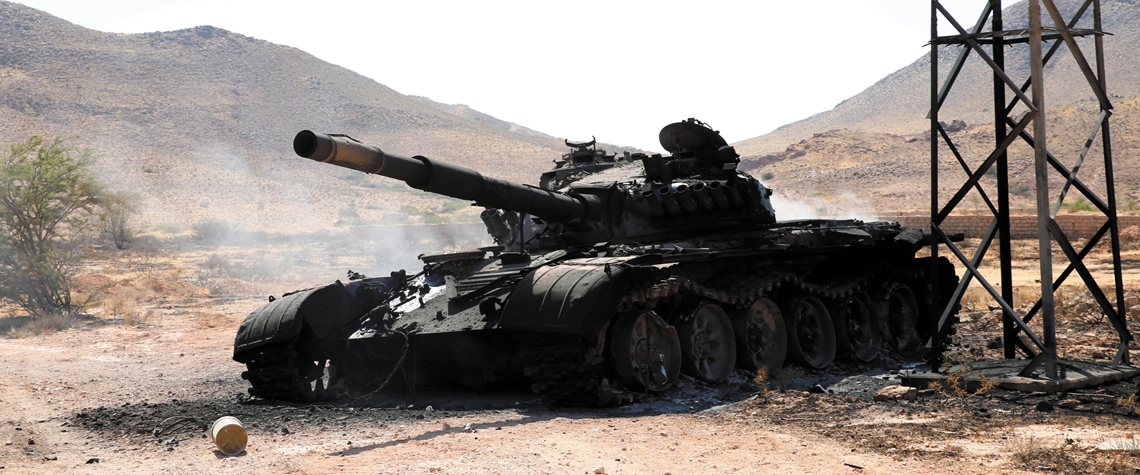
The polarising conflict that has left a trail of bombed out buildings, civilian casualties, and broken trust across Tripoli and western Libya since April shows no sign of letting up. Forces under the so-called Libyan National Army (LNA) led by Khalifa Haftar keep trying to push forward along frontlines south of the capital while forces opposed to the LNA’s assault, operating under the umbrella of the internationally-recognised Government of National Accord (GNA), keep pushing back. Both sides are heavily reliant on foreign support, particularly arms, ammunition and drones, to maintain their operations. But attempts to curtail foreign interference have failed to gain traction, suggesting th

Also in this section
5 March 2026
Gas is a central pillar of Colombia’s energy system, but declining production poses a significant challenge, and LNG will be increasingly needed as a stopgap. A recent major offshore gas discovery offers hope, but policy improvements are also required, Camilo Morales, secretary general of Naturgas, the Colombian gas association, tells Petroleum Economist
4 March 2026
The continent’s inventories were already depleted before conflict erupted in the Middle East, causing prices to spike ahead of the crucial summer refilling season
4 March 2026
The US president has repeatedly promised to lower gasoline prices, but this ambition conflicts with his parallel aim to increase drilling and could be upended by his war against Iran
4 March 2026
With the Strait of Hormuz effectively closed following US-Israel strikes and Iran’s retaliatory escalation, Fujairah has become the region’s critical pressure release valve—and is now under serious threat


