


Libya's oil fields fall into Haftar's hands
The latest military moves leave the government in Tripoli increasingly under siege
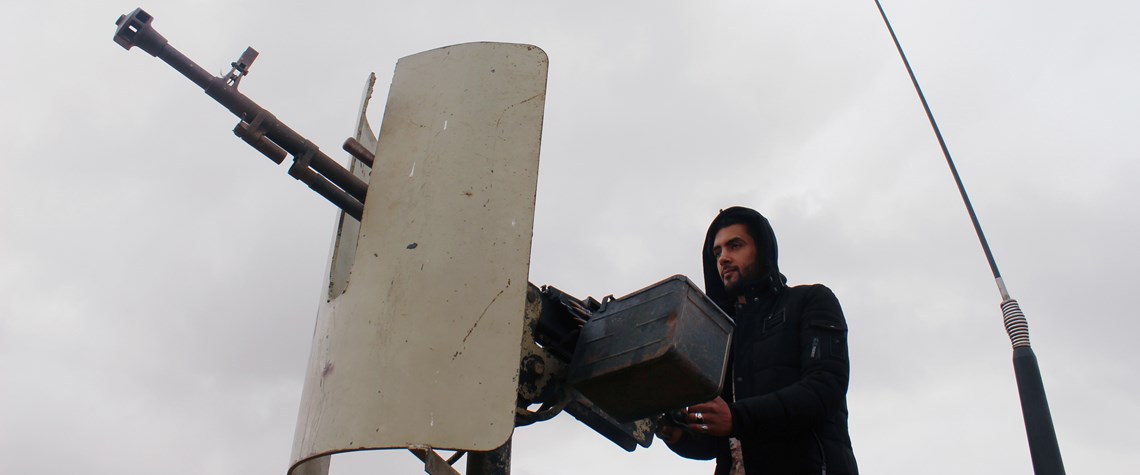
Tobruk government forces led by general Khalifa Haftar have completed a dramatic offensive in southern Libya, leaving it in control of all the country's key oil fields. What it does with this control will likely define the future of the country's hydrocarbons industry. While Tobruk now controls the oil, it does not control the oil revenues. These go to a rival government, Tripoli's UN-backed Government of National Accord (GNA), by dint of its international recognition status. But in the wake of what is a shuddering defeat for the GNA, pressure is mounting for a new political deal. Haftar's offensive lasted six weeks and saw his Libyan National Army (LNA) sweep through southern Libya capturin

Also in this section
13 March 2026
Brussels is again weighing a cap on gas prices amid the Hormuz crisis, but the measure could backfire by deterring the LNG cargoes Europe urgently needs
12 March 2026
Emergency oil stocks provide a last line of defence to oil market shocks, so the IEA’s unprecedented 400m bl release represents something of a double-edged sword
12 March 2026
LPG could rapidly expand access to clean cooking across Africa and prevent hundreds of thousands of deaths from indoor air pollution each year, but infrastructure shortages and regulatory barriers are slowing investment and market growth
11 March 2026
Missiles over Dubai and disruption in Hormuz are testing the emirate’s reputation—and shaking the energy hub at the centre of the Gulf economy


