


Libya's oil fields fall into Haftar's hands
The latest military moves leave the government in Tripoli increasingly under siege
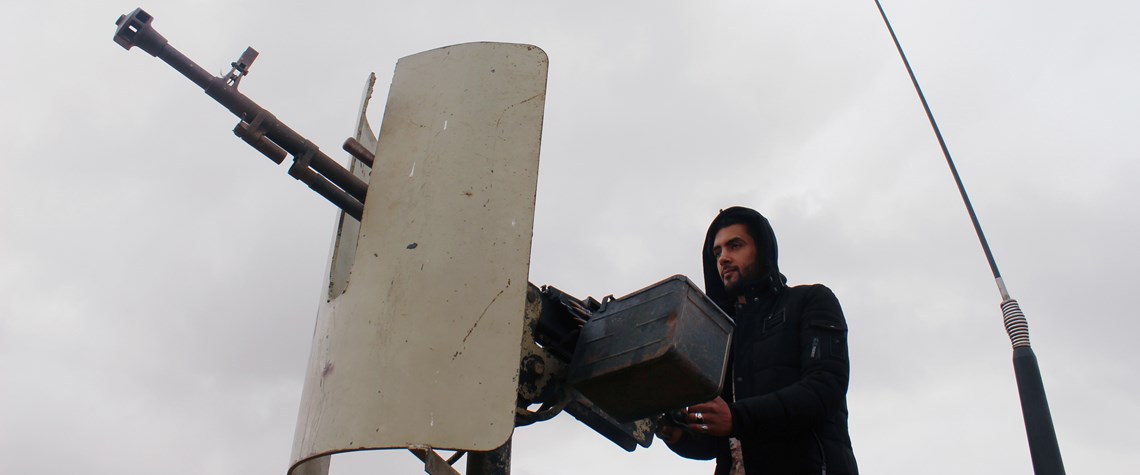
Tobruk government forces led by general Khalifa Haftar have completed a dramatic offensive in southern Libya, leaving it in control of all the country's key oil fields. What it does with this control will likely define the future of the country's hydrocarbons industry. While Tobruk now controls the oil, it does not control the oil revenues. These go to a rival government, Tripoli's UN-backed Government of National Accord (GNA), by dint of its international recognition status. But in the wake of what is a shuddering defeat for the GNA, pressure is mounting for a new political deal. Haftar's offensive lasted six weeks and saw his Libyan National Army (LNA) sweep through southern Libya capturin

Also in this section
28 April 2026
Oil traders warning of $200/bl oil are wrong, and the market should be wary of proclamations that the impact of the oil shortage has only begun to be felt and a that a ‘harsh adjustment’ is coming—even for industrialised nations
28 April 2026
Restoring supply from Saudi Arabia, the UAE, Kuwait, Qatar, Bahrain and Iraq involves complexities far beyond simply adjusting operational controls
28 April 2026
Datacentres will guzzle power at a ferocious rate, but the impact on wider energy markets will be far more complex than previously thought
28 April 2026
The key energy player faces balancing regional routes, political complexities, and creating a clear strategic vision for energy security


