


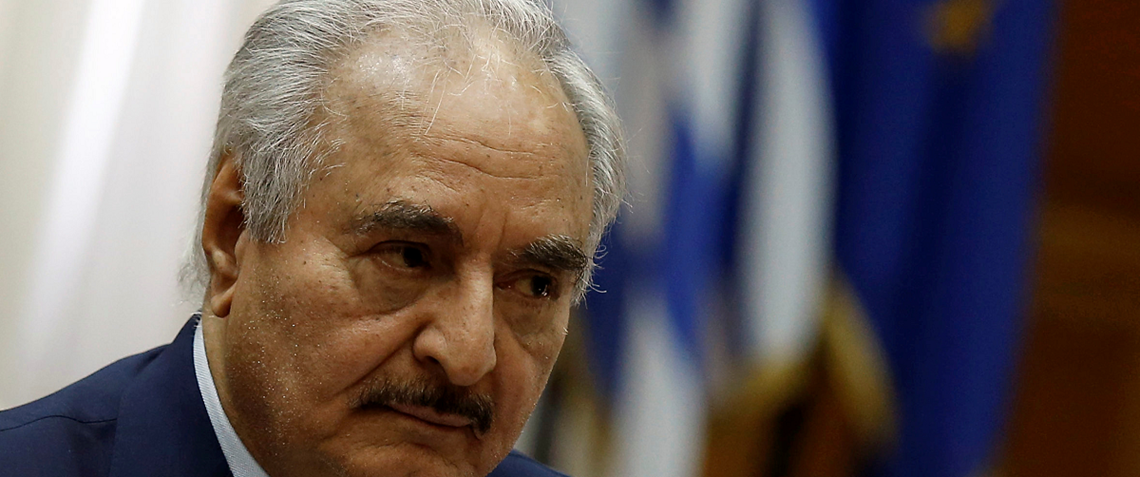
Talks have stalled over General Haftar’s demand that Turkish and Syrian forces leave Tripoli
Libya oil port shutdown drags on
A swift resolution to the blockade looks unlikely as fighting continues in Tripoli and the UN searches for a new mediator
Economic losses from the eight-week shutdown of Libya’s oil ports have passed $3bn and, with fighting raging in Tripoli and the resignation of the UN’s top mediator, the impasse looks likely to persist. Five eastern ports and three key south-western oil fields were shut on 17 January on the orders of general Khalifa Haftar’s Libyan National Army (LNA), which is backed by both the eastern government in Tobruk and local tribal leaders. The shutdown was in response to Ankara deploying Turkish troops and Syrian mercenaries to aid Tripoli’s Government of National Accord (GNA), which is defending the capital from an 11-month offensive by Haftar’s forces. Crude production reported by Libya’s sta

Also in this section
13 March 2026
Brussels is again weighing a cap on gas prices amid the Hormuz crisis, but the measure could backfire by deterring the LNG cargoes Europe urgently needs
12 March 2026
Emergency oil stocks provide a last line of defence to oil market shocks, so the IEA’s unprecedented 400m bl release represents something of a double-edged sword
12 March 2026
LPG could rapidly expand access to clean cooking across Africa and prevent hundreds of thousands of deaths from indoor air pollution each year, but infrastructure shortages and regulatory barriers are slowing investment and market growth
11 March 2026
Missiles over Dubai and disruption in Hormuz are testing the emirate’s reputation—and shaking the energy hub at the centre of the Gulf economy


