


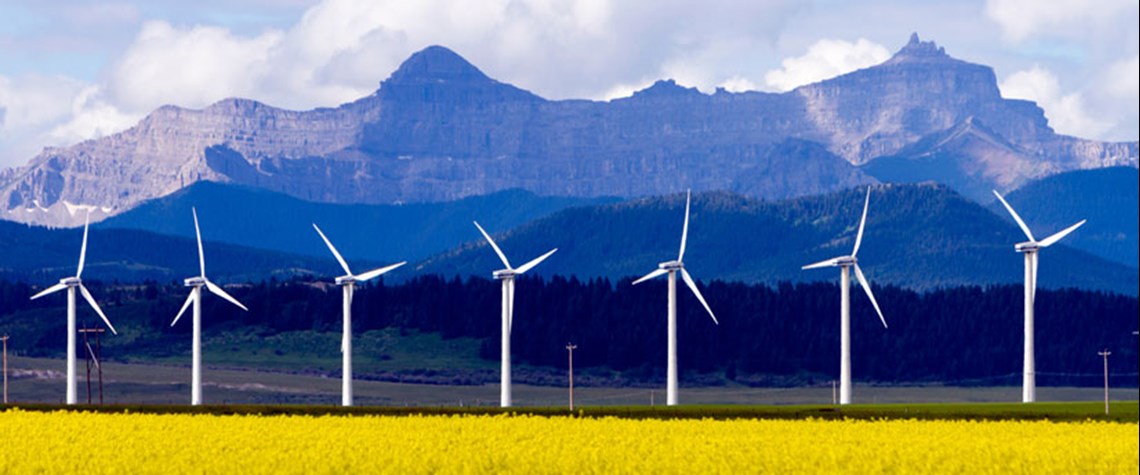
Wind turbines near Pincher Creek, Calgary
Letter from Canada: Alberta concedes to energy transition
The region’s hydrocarbons sector grudgingly accepts the inevitable rise of low-carbon energy, and the government is taking steps not to be left out
The Alberta government and the province’s all-important oil and gas industry have been slow to accept the way the world is changing. Despite the US shale gas revolution bringing an end to sky-high gas prices at the end of the 2000s and the US light-tight oil revolution doing much the same for oil prices by the middle of last decade, the province has widely snubbed decarbonisation efforts. The provincial government and the oil sands industry have refused to accept the threat posed by the global climate movement, with some irrationally attacking the science supporting it and anyone who accepts it—including the Canadian government under the leadership of Prime Minister Justin Trudeau. 40p

Also in this section
5 March 2026
Gas is a central pillar of Colombia’s energy system, but declining production poses a significant challenge, and LNG will be increasingly needed as a stopgap. A recent major offshore gas discovery offers hope, but policy improvements are also required, Camilo Morales, secretary general of Naturgas, the Colombian gas association, tells Petroleum Economist
4 March 2026
The continent’s inventories were already depleted before conflict erupted in the Middle East, causing prices to spike ahead of the crucial summer refilling season
4 March 2026
The US president has repeatedly promised to lower gasoline prices, but this ambition conflicts with his parallel aim to increase drilling and could be upended by his war against Iran
4 March 2026
With the Strait of Hormuz effectively closed following US-Israel strikes and Iran’s retaliatory escalation, Fujairah has become the region’s critical pressure release valve—and is now under serious threat


