


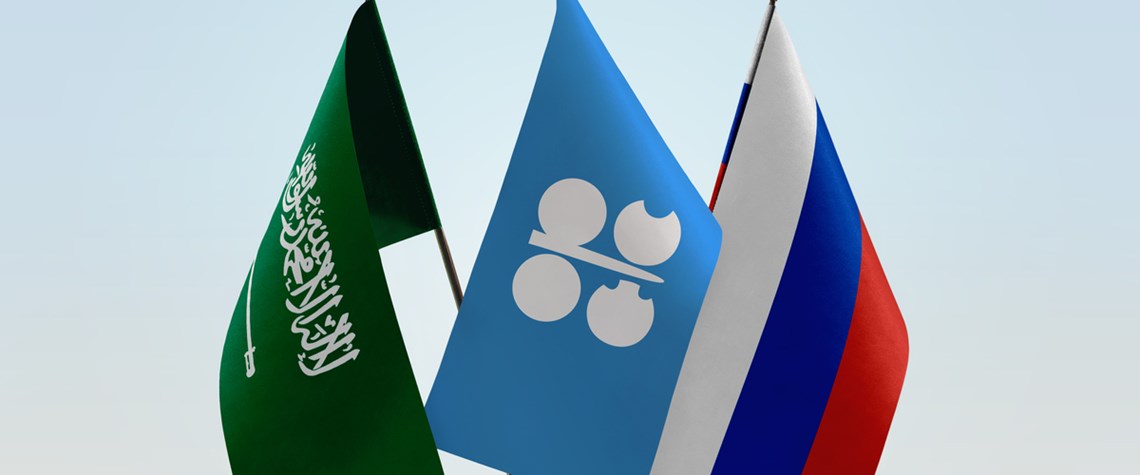
Opec+ power shift points to lower crude price paradigm
If Russia can marshal allies to seize control of the producers’ group, it might respond to structural demand concerns with a volume-over-value strategy
Saudi Arabia’s five-decade run as either sole or co-leader of Opec appears to now be under serious threat from Russia in the expanded Opec+ grouping. And that could lead to a shift in emphasis to protecting the Opec+ market share, particularly given pressures on future oil demand. After a combination of revolution, war and international economic sanctions whittled away production and influence from Iran—in the 1970s and 1980s an Opec co-leader, with Riyadh leading the price doves and Tehran the hawks—Saudi Arabia enjoyed a 25-year hegemony over Opec policy. Supported by loyal Mid-East Gulf allies Kuwait and UAE, that was the status quo until 2016. But, in December 2016, Saudi Arabia admitte

Also in this section
2 April 2026
Alongside a rapid continued build-out of renewables, China’s latest five-year plan stresses the value of domestic hydrocarbon production for energy security and calls for increased Russian gas imports
2 April 2026
The government is taking important steps to revive domestic production, lift investment and benefit from the geopolitical crisis even if more needs to be done in the longer term
1 April 2026
Golden Pass’s startup offers QatarEnergy a timely boost but may also force a difficult choice between honouring disrupted contracts and capitalising on soaring spot LNG prices
1 April 2026
It is not a case of if or when, but the length and magnitude of economic damage from elevated oil prices


