


Newsletters | Request Trial | Log in | Advertise | Digital Issue   |   Search
  • Upstream
  • Midstream & Downstream
  • Gas & LNG
  • Trading & Markets
  • Corporate & Finance
  • Geopolitics
  • Podcasts
Search
Related Articles
Explainer: What do Russia’s oil giants own overseas?
Time is running out for Lukoil and Rosneft to divest international assets that will be mostly rendered useless to them when the US sanctions deadline arrives in mid-December
Letter from London: Oil’s golden triangle
The interplay between OPEC+, China and the US will define oil markets throughout 2026
Tax policy will shape Russia’s oil future
The consensus among market observers is that the country’s oil output will fall in the long term. Yet few recognise how Moscow’s shifting tax regime is designed to keep the next barrel commercially viable
The curious case of oil-on-water
The market is facing being drowned in excess crude, but one caveat is that a large chunk is due to buyers reluctant to snap up sanctioned barrels
Gas should fare better than oil under Canada’s new regime
The new federal government appears far more supportive of oil and gas than former prime minister Justin Trudeau’s climate-focused administration, but the prospects look better for the latter hydrocarbon
Lukoil loses its growth prospects
The Russian firm made a significant attempt to expand overseas over the past two decades but is now trying to divest its global operations
Accelerating MENA’s gas transformation
Gas has become a pillar of MENA economies and a catalyst for development strategies, fostering cooperation and creating new paths for economic diversification. Continued progress will require substantial investment and adapted regulations
Explainer: How the EU will wean itself off Russian gas
Questions remain about how the phase-out will be implemented and enforced in practice
Gas storage to grow more critical in energy transition – IGU
The International Gas Union calls for a ‘whole-system’ approach, combining planning of gas, electricity and hydrogen networks to ensure energy systems remain flexible and resilient during the transition
Shell offshore deal signals Nigerian gas coming of age
FID on the HI development suggests the country’s chronically under-exploited gas reserves are beginning to be properly exploited
Gazprom will supply an additional 10bn m³/yr of gas to CNPC
Opinion
Gas Russia China Gazprom LNG CNPC
Shi Weijun
Beijing
24 February 2022
Follow @PetroleumEcon
Forward article link
Share PDF with colleagues

Letter from China: Beijing strengthens gas ties with Moscow

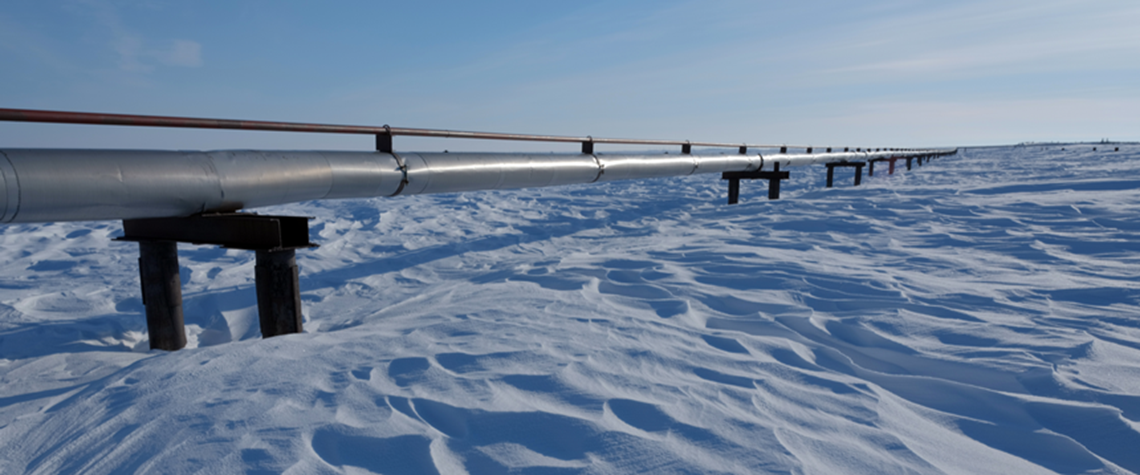
China is considering importing more pipeline gas from Siberia, but competition from LNG may cap the scale of these volumes

China’s new contract to buy more Russian gas marks a deepening of the relationship between the two countries at a time of heightened geopolitical tensions between Moscow and the West over Ukraine. But it does not necessarily mean a follow-up to the historic megadeal signed in 2014 is a foregone conclusion. Russia’s state-controlled Gazprom said early this month that it had signed a contract to supply an additional 10bn m³/yr of gas to China’s CNPC. The long-term SPA adds to the 30-year deal signed in 2014 for 38bn m³/yr, deliveries from which began in December 2019 via the Power of Siberia pipeline. The new deal—under negotiation since 2015—is for the supply of gas from Russia’s Far East to

Also in this section
Outlook 2026
12 December 2025
The latest edition of our annual Outlook publication, titled 'The shape of energy to come: Creating unique pathways and managing shifting alliances', is available now
Canada’s Asian pivot faces hurdles
12 December 2025
The federal government is working with Alberta to improve the country’s access to Asian markets and reduce dependence on the US, but there are challenges to their plans
New Zealand is back open for business
11 December 2025
The removal of the ban on oil and gas exploration and an overhaul of the system sends all the right messages for energy security, affordability and sustainability
New Zealand’s gas horror story will haunt for years to come
10 December 2025
The economic and environmental cost of the seven-year exploration ban will be felt long after its removal

Share PDF with colleagues

COPYRIGHT NOTICE: PDF sharing is permitted internally for Petroleum Economist Gold Members only. Usage of this PDF is restricted by <%= If(IsLoggedIn, User.CompanyName, "")%>’s agreement with Petroleum Economist – exceeding the terms of your licence by forwarding outside of the company or placing on any external network is considered a breach of copyright. Such instances are punishable by fines of up to US$1,500 per infringement
Send

Forward article Link

Send
Sign Up For Our Newsletter
Project Data
Maps
Podcasts
Social Links
Featured Video
Home
  • About us
  • Subscribe
  • Reaching your audience
  • PE Store
  • Terms and conditions
  • Contact us
  • Privacy statement
  • Cookies
  • Sitemap
All material subject to strictly enforced copyright laws © 2025 The Petroleum Economist Ltd
Cookie Settings
;

Search
