


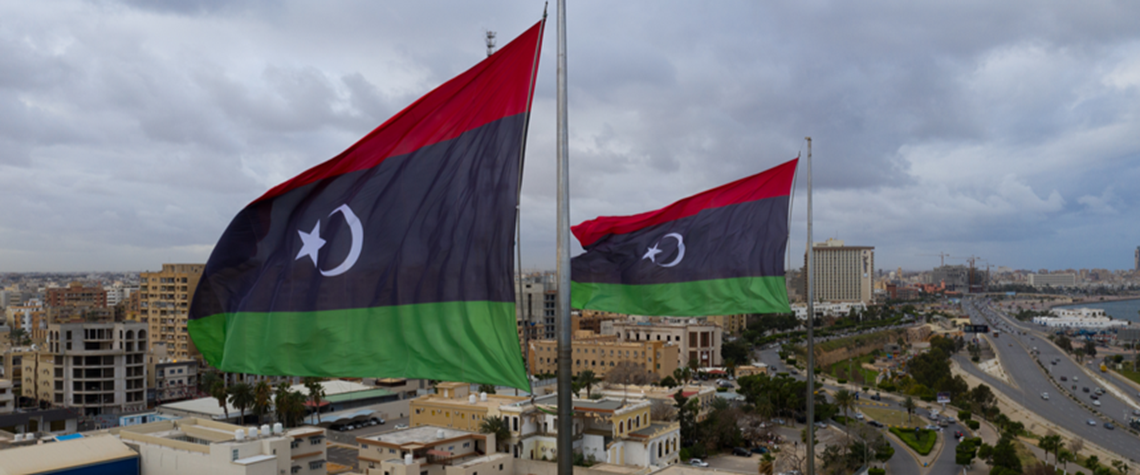
Libyan elections were meant to be held in late December
Libya’s oil industry faces renewed turbulence
After a year of relative calm, chaos has returned to Libya with the cancellation of planned elections and the emergence of two rival prime ministers
The struggle between Libya’s sitting prime minister, Abdulhamid Dbeibeh, and the man parliament wants to replace him with, Fathi Bashagha, is likely to be protracted. Neither man seems likely to devise a cabinet acceptable to all of Libya’s armed factions, raising the possibility of a return to the civil war that was suspended by a UN-brokered ceasefire in 2020. This spells a period of uncertainty for the oil sector, as Libya’s National Oil Corporation (NOC) is caught in the country’s political battles. Elections had been set for 24 December 2021, the 70th anniversary of Libya’s independence, and were to have been the culmination of a two-year-long UN peace process. That process saw two warr

Also in this section
13 March 2026
Brussels is again weighing a cap on gas prices amid the Hormuz crisis, but the measure could backfire by deterring the LNG cargoes Europe urgently needs
12 March 2026
Emergency oil stocks provide a last line of defence to oil market shocks, so the IEA’s unprecedented 400m bl release represents something of a double-edged sword
12 March 2026
LPG could rapidly expand access to clean cooking across Africa and prevent hundreds of thousands of deaths from indoor air pollution each year, but infrastructure shortages and regulatory barriers are slowing investment and market growth
11 March 2026
Missiles over Dubai and disruption in Hormuz are testing the emirate’s reputation—and shaking the energy hub at the centre of the Gulf economy


