


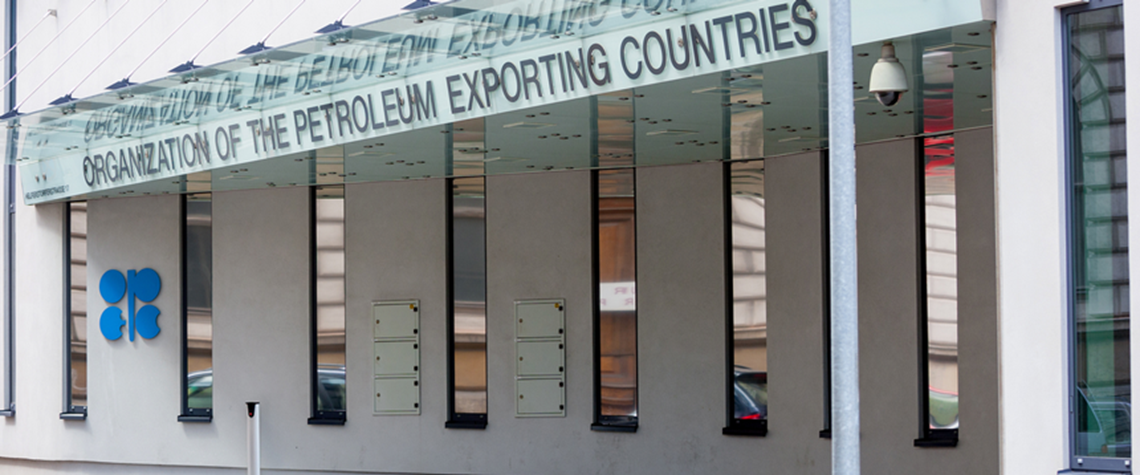
Opec continues to stick the 2020 output restraint deal
Opec’s swing producers to stick to deal
Opec’s top producers are unlikely to deviate from an agreement that has brought market stability and buoyed prices
Saudi Arabia has continued to reject calls from the US to increase oil production as Brent crude hovers around $90-100/bl. The latest rejection comes amid increased speculation that the Kingdom and the UAE—holders of the bulk of global spare production capacity—could break from the 2020 output restraint deal signed between Opec and ten non-member countries in order to increase their market share and make the most of current prices. The US State Department’s energy envoy, Amos Hochstein, and National Security Council Middle East coordinator, Brett McGurk, held talks with Saudi officials in Riyadh in February with the goal of pressuring the country to raise production and stabilise the market.

Also in this section
13 March 2026
Brussels is again weighing a cap on gas prices amid the Hormuz crisis, but the measure could backfire by deterring the LNG cargoes Europe urgently needs
12 March 2026
Emergency oil stocks provide a last line of defence to oil market shocks, so the IEA’s unprecedented 400m bl release represents something of a double-edged sword
12 March 2026
LPG could rapidly expand access to clean cooking across Africa and prevent hundreds of thousands of deaths from indoor air pollution each year, but infrastructure shortages and regulatory barriers are slowing investment and market growth
11 March 2026
Missiles over Dubai and disruption in Hormuz are testing the emirate’s reputation—and shaking the energy hub at the centre of the Gulf economy


