


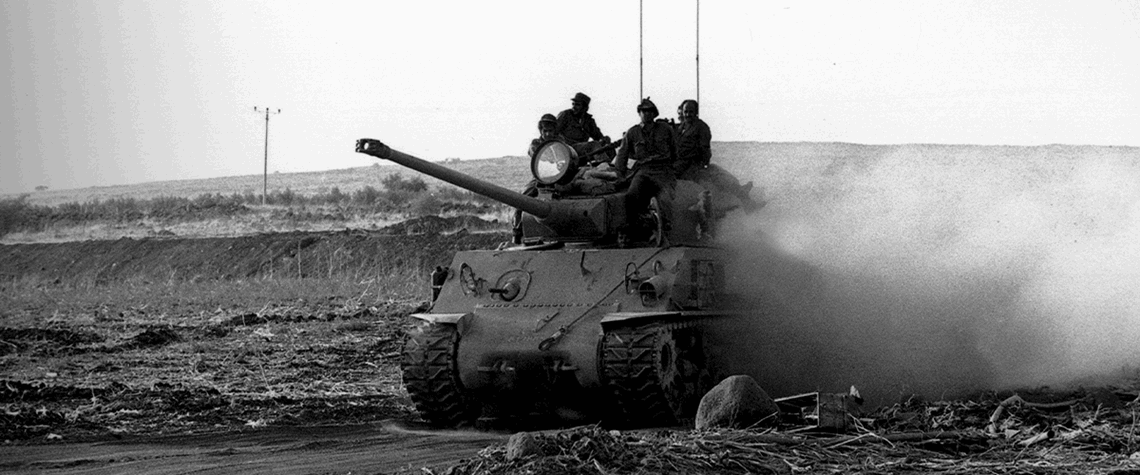
Yom Kippur War, 1973
How the Yom Kippur war changed OPEC
Half a century after the 1973 conflict, the world is dramatically different. But OPEC’s power remains
October will see the 50th anniversary of the Yom Kippur War, which resulted in an Israeli victory against Egypt, Syria and other Arab forces. As well as being an important event geopolitically, the fallout from the conflict profoundly changed oil markets by giving a new lease of life to the previously inert OPEC. Everything in the oil markets changed at the end of 1973, but 50 years later, OPEC is still powerful. Since 1973, the global economic balance of power has shifted eastwards following the rise of Asian economies, particularly China and, more recently, India. The OECD countries had a 69% share of global GDP in 1973; by 2022 this was down to 39%. The Soviet Union collapsed in 1991 and

Also in this section
13 March 2026
Brussels is again weighing a cap on gas prices amid the Hormuz crisis, but the measure could backfire by deterring the LNG cargoes Europe urgently needs
12 March 2026
Emergency oil stocks provide a last line of defence to oil market shocks, so the IEA’s unprecedented 400m bl release represents something of a double-edged sword
12 March 2026
LPG could rapidly expand access to clean cooking across Africa and prevent hundreds of thousands of deaths from indoor air pollution each year, but infrastructure shortages and regulatory barriers are slowing investment and market growth
11 March 2026
Missiles over Dubai and disruption in Hormuz are testing the emirate’s reputation—and shaking the energy hub at the centre of the Gulf economy


