


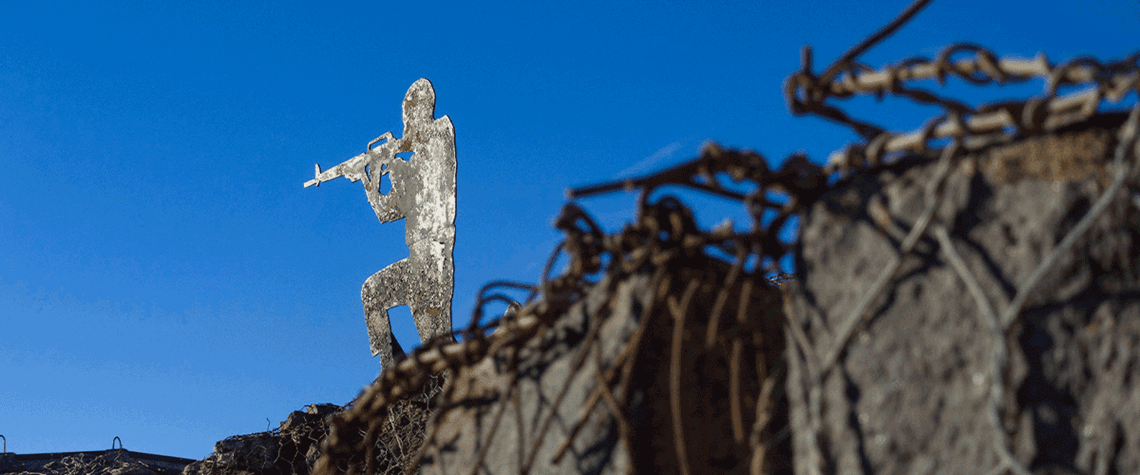
Memorial to the Yom Kippur War in the Golan Heights
The long march to energy independence: Part 1
The 1970s provide the most important lessons on creating a sustainable and secure energy system
October 2023 marked the 50th anniversary of the 1973 Yom Kippur War and the Arab Oil Embargo, which caused a rise in global oil prices that brought energy security to the forefront. Many policy decisions made by the governments of the US, Japan, and most EU countries have been guided since then by the need to protect against oil price shocks. These policies initially led to programmes that increased use of non-oil energy sources (primarily coal), encouraged conservation and created strategic crude oil inventories designed, theoretically, for use during supply shortages. Such reactive energy policies have had several unintended impacts. The most egregious has been climate change. Emissions of

Also in this section
5 March 2026
Gas is a central pillar of Colombia’s energy system, but declining production poses a significant challenge, and LNG will be increasingly needed as a stopgap. A recent major offshore gas discovery offers hope, but policy improvements are also required, Camilo Morales, secretary general of Naturgas, the Colombian gas association, tells Petroleum Economist
4 March 2026
The continent’s inventories were already depleted before conflict erupted in the Middle East, causing prices to spike ahead of the crucial summer refilling season
4 March 2026
The US president has repeatedly promised to lower gasoline prices, but this ambition conflicts with his parallel aim to increase drilling and could be upended by his war against Iran
4 March 2026
With the Strait of Hormuz effectively closed following US-Israel strikes and Iran’s retaliatory escalation, Fujairah has become the region’s critical pressure release valve—and is now under serious threat


