


Newsletters | Request Trial | Log in | Advertise | Digital Issue   |   Search
  • Upstream
  • Midstream & Downstream
  • Gas & LNG
  • Trading & Markets
  • Corporate & Finance
  • Geopolitics
  • Podcasts
Search
Related Articles
US continues gas infrastructure buildout
The US has used booming shale production to massively expand its LNG infrastructure, but Canadian developments have not fare so well while in South America consumption outstrips production
Canada’s oil and gas looks East
There is a clear push to bolster exports to Asia amid uncertainty around its North American neighbour, but there are limits to the benefits from the energy crisis
Qatar’s Golden Pass dilemma
Golden Pass’s startup offers QatarEnergy a timely boost but may also force a difficult choice between honouring disrupted contracts and capitalising on soaring spot LNG prices
Lessons from the crisis
The US-Iran conflict demonstrates the need for diversification in several senses of the word. It also exposes the limits of Washington applying pressure on major oil and gas producers it considers geopolitical adversaries
Letter from the US: The oil market abyss
The overlooked oil supply issue is that even after the Strait of Hormuz opens, barrels won’t readily return
Dow restarts construction on its Path2Zero project
The company plans for phase-one startup in late 2029 as it seeks to maximise value from chemicals project following nine-month hiatus
Hormuz crisis delivers tailwinds for US LNG
Disruptions to Qatari LNG exports have highlighted the risks of concentrated supply, potentially strengthening the long-term position of US exporters despite limited near-term flexibility
Trump’s bid to reshape the global energy order
From Venezuela to Hormuz, the US—backed by the most powerful military force ever assembled—is redrawing not only oil and gas flows but also the global balance of energy power
Energy dominance as diplomatic leverage
Energy sanctions are becoming an increasingly prominent tool of US foreign policy, with the country’s growth in oil and gas production allowing it to impose pressure on rivals without jeopardising its own energy security or that of its allies, argues Matthew McManus, a visiting fellow at the National Center for Energy Analytics
Trump’s gasoline price pledge paradox
The US president has repeatedly promised to lower gasoline prices, but this ambition conflicts with his parallel aim to increase drilling and could be upended by his war against Iran
Brazil US Canada Opec Shale
Derek Brower
8 February 2018
Follow @PetroleumEcon
Forward article link
Share PDF with colleagues

Demand growth now the focus for oil market

Surging supply threatens to overwhelm balances, unless consumers come to the rescue

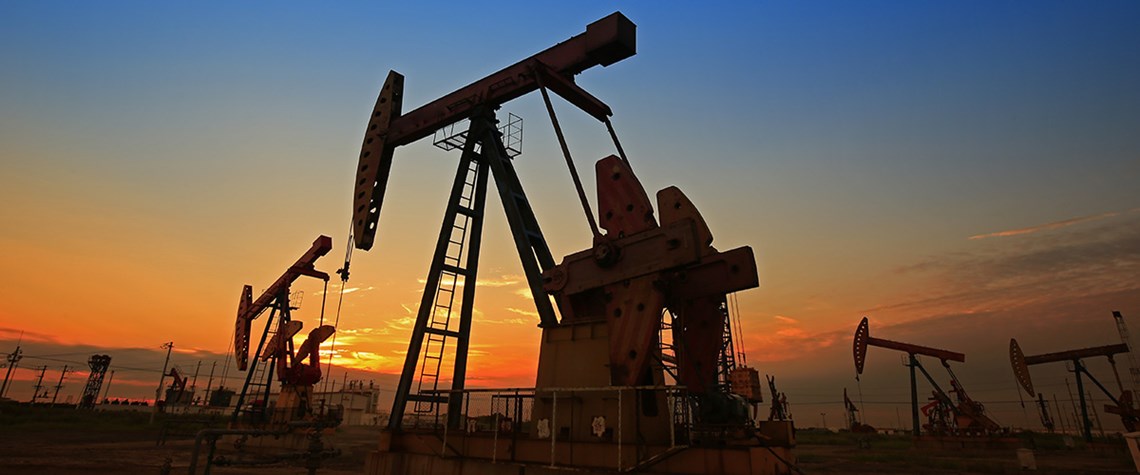
The supply side is responding to the recent price rally—and the answer is startling: much more oil is to come. If the market rebalancing is to avoid a reversal through 2018, demand needs to pick up the slack. A buoyant global economy gives it a chance. Oil-price direction for the rest of the year now depends on consumers. Supply looms over oil futures. US production growth this year and next will be much greater than the bulls expected (and even steeper than many bears thought likely), if the Energy Information Administration's most recent forecast comes good. It expects American crude oil output will average 10.6m barrels a day in 2018, a rise of 1.3m b/d from last year, and jump again to 1

Also in this section
Decoding datacentre energy demand
28 April 2026
Datacentres will guzzle power at a ferocious rate, but the impact on wider energy markets will be far more complex than previously thought
Iraq’s pipeline dilemma
28 April 2026
The key energy player faces balancing regional routes, political complexities, and creating a clear strategic vision for energy security
The EU’s electric dreams
24 April 2026
The European Commission’s response to the Middle East crisis is to double down on its transition strategy, with plans for a new target on electrification
Eni and BP score big in Egypt
24 April 2026
A major new discovery by Eni and BP that can likely be fast-tracked to production is welcome news for Egypt as it scrambles to plug a widening supply gap and deal with rising import risks

Share PDF with colleagues

COPYRIGHT NOTICE: PDF sharing is permitted internally for Petroleum Economist Gold Members only. Usage of this PDF is restricted by <%= If(IsLoggedIn, User.CompanyName, "")%>’s agreement with Petroleum Economist – exceeding the terms of your licence by forwarding outside of the company or placing on any external network is considered a breach of copyright. Such instances are punishable by fines of up to US$1,500 per infringement
Send

Forward article Link

Send
Sign Up For Our Newsletter
Project Data
Maps
Podcasts
Social Links
Featured Video
Home
  • About us
  • Subscribe
  • Reaching your audience
  • PE Store
  • Terms and conditions
  • Contact us
  • Privacy statement
  • Cookies
  • Sitemap
All material subject to strictly enforced copyright laws © 2025 The Petroleum Economist Ltd
Cookie Settings
;

Search
