


The anatomy of a 'supply crunch'
Market forces, Trump's tweets and the latest Opec+ agreement have helped shape global supply in recent months
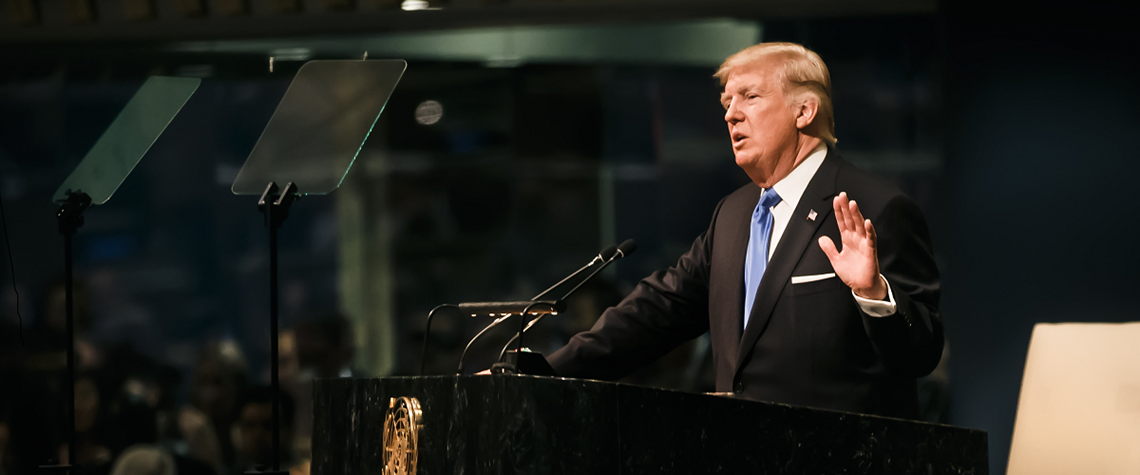
Early this summer, Opec scrapped its commitment to supply restraint, reversing a long-held policy of keeping markets tight as part of an effort to maintain a price floor. US President Donald Trump had turned up the pressure on the organisation's heavyweights through a series of tweets. "Oil prices are too high, Opec is at it again. Not good!" he Tweeted. Saudi Arabia, for its part, affirmed it would raise output, as crude oil prices reached heights not seen since the heady days of 2014. On the face of it, Trump appeared to have succeeded in twisting Riyadh’s arm to release more barrels onto the market and take the edge off prices surging past $80 a barrel. An Opec ministerial meeting in V

Also in this section
13 March 2026
Brussels is again weighing a cap on gas prices amid the Hormuz crisis, but the measure could backfire by deterring the LNG cargoes Europe urgently needs
12 March 2026
Emergency oil stocks provide a last line of defence to oil market shocks, so the IEA’s unprecedented 400m bl release represents something of a double-edged sword
12 March 2026
LPG could rapidly expand access to clean cooking across Africa and prevent hundreds of thousands of deaths from indoor air pollution each year, but infrastructure shortages and regulatory barriers are slowing investment and market growth
11 March 2026
Missiles over Dubai and disruption in Hormuz are testing the emirate’s reputation—and shaking the energy hub at the centre of the Gulf economy


