


The anatomy of a 'supply crunch'
Market forces, Trump's tweets and the latest Opec+ agreement have helped shape global supply in recent months
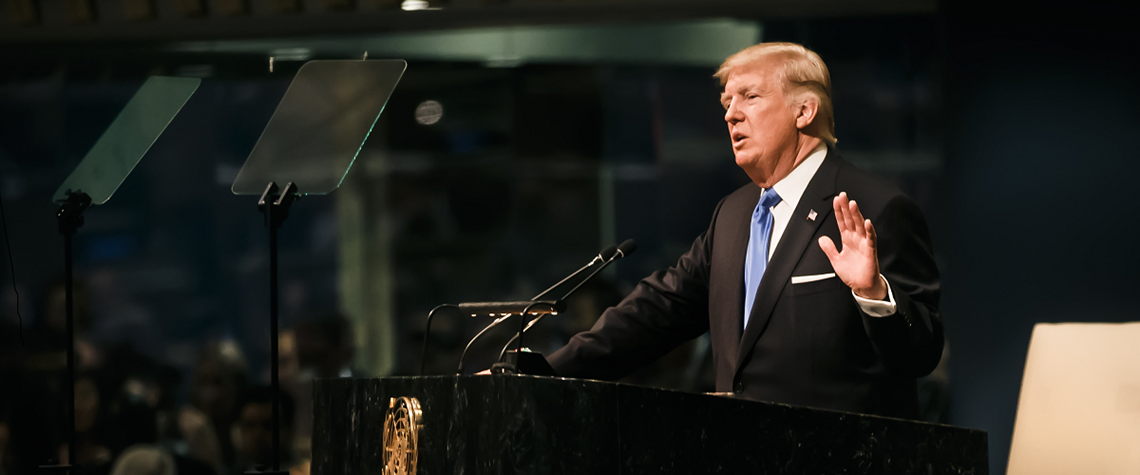
Early this summer, Opec scrapped its commitment to supply restraint, reversing a long-held policy of keeping markets tight as part of an effort to maintain a price floor. US President Donald Trump had turned up the pressure on the organisation's heavyweights through a series of tweets. "Oil prices are too high, Opec is at it again. Not good!" he Tweeted. Saudi Arabia, for its part, affirmed it would raise output, as crude oil prices reached heights not seen since the heady days of 2014. On the face of it, Trump appeared to have succeeded in twisting Riyadh’s arm to release more barrels onto the market and take the edge off prices surging past $80 a barrel. An Opec ministerial meeting in V

Also in this section
29 April 2026
Trafigura’s $1b prepayment agreement confirms African resource holders’ renewed interest in oil-backed financing deals as they look to capitalise on high oil prices
29 April 2026
The UAE’s departure from the oil producers’ group was a surprise to many, but the move can be traced back to a single point five years ago
28 April 2026
Oil traders warning of $200/bl oil are wrong, and the market should be wary of proclamations that the impact of the oil shortage has only begun to be felt and a that a ‘harsh adjustment’ is coming—even for industrialised nations
28 April 2026
Restoring supply from Saudi Arabia, the UAE, Kuwait, Qatar, Bahrain and Iraq involves complexities far beyond simply adjusting operational controls


