


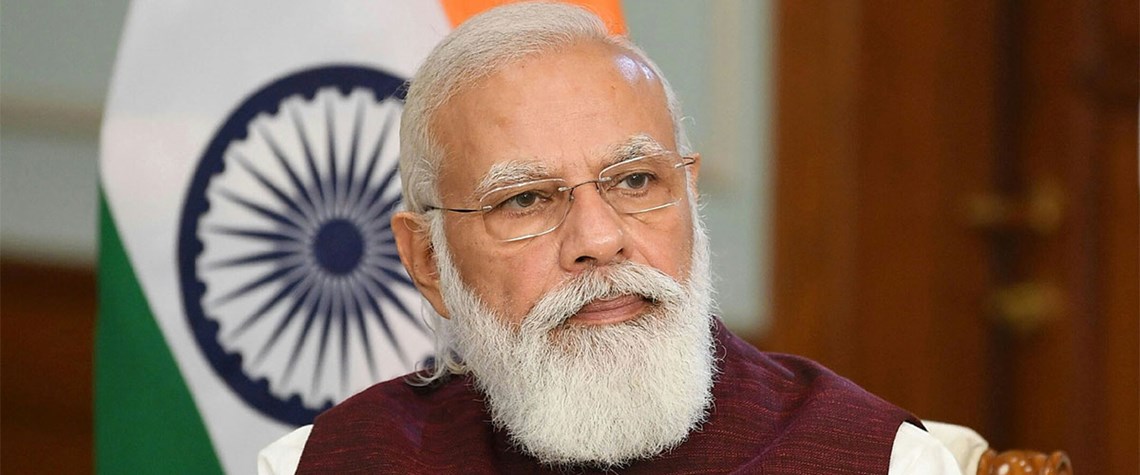
Prime Minister Modi
Letter from India: Cost of import dependence grows
Surging demand, declining domestic output, high prices and a weakening rupee are all pushing up the country’s import bills
Indian prime minister Narendra Modi convened a meeting of oil industry stakeholders back in March 2015, nine months into his first term in office, to discuss increasing domestic hydrocarbons production and reducing import dependence from what was then 77pc to 67pc by 2022, and further to 50pc by 2030. But as we reach the first checkpoint on that journey, hitting targets on reducing his country’s reliance on non-domestic energy looks increasingly unlikely. In fact, the country’s oil imports have risen by 8.6pc since 2015, with imports accounting for 85.6pc of India’s crude demand in the April 2021-March 2022 financial year. India’s dependence on gas imports is less pronounced. But, of a consu

Also in this section
13 March 2026
Brussels is again weighing a cap on gas prices amid the Hormuz crisis, but the measure could backfire by deterring the LNG cargoes Europe urgently needs
12 March 2026
Emergency oil stocks provide a last line of defence to oil market shocks, so the IEA’s unprecedented 400m bl release represents something of a double-edged sword
12 March 2026
LPG could rapidly expand access to clean cooking across Africa and prevent hundreds of thousands of deaths from indoor air pollution each year, but infrastructure shortages and regulatory barriers are slowing investment and market growth
11 March 2026
Missiles over Dubai and disruption in Hormuz are testing the emirate’s reputation—and shaking the energy hub at the centre of the Gulf economy


