


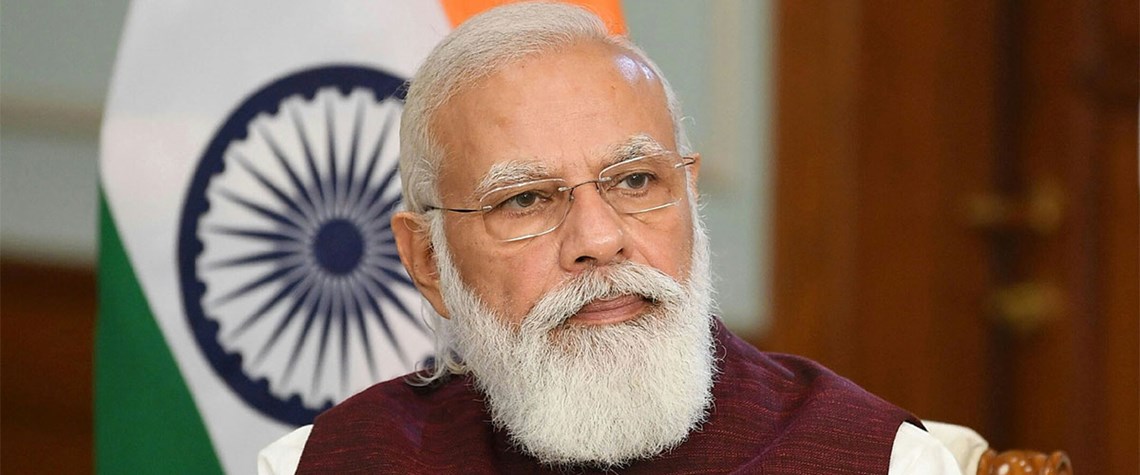
Prime Minister Modi
Letter from India: Cost of import dependence grows
Surging demand, declining domestic output, high prices and a weakening rupee are all pushing up the country’s import bills
Indian prime minister Narendra Modi convened a meeting of oil industry stakeholders back in March 2015, nine months into his first term in office, to discuss increasing domestic hydrocarbons production and reducing import dependence from what was then 77pc to 67pc by 2022, and further to 50pc by 2030. But as we reach the first checkpoint on that journey, hitting targets on reducing his country’s reliance on non-domestic energy looks increasingly unlikely. In fact, the country’s oil imports have risen by 8.6pc since 2015, with imports accounting for 85.6pc of India’s crude demand in the April 2021-March 2022 financial year. India’s dependence on gas imports is less pronounced. But, of a consu

Also in this section
28 April 2026
Datacentres will guzzle power at a ferocious rate, but the impact on wider energy markets will be far more complex than previously thought
28 April 2026
The key energy player faces balancing regional routes, political complexities, and creating a clear strategic vision for energy security
24 April 2026
The European Commission’s response to the Middle East crisis is to double down on its transition strategy, with plans for a new target on electrification
24 April 2026
A major new discovery by Eni and BP that can likely be fast-tracked to production is welcome news for Egypt as it scrambles to plug a widening supply gap and deal with rising import risks


