


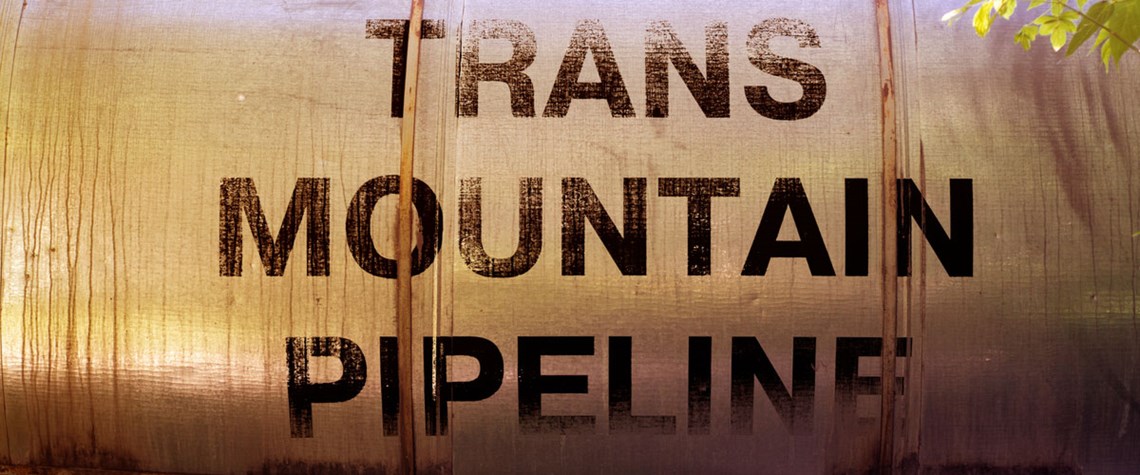
The Trans Mountain Expansion project could enable greater access to overseas markets once complete
Canada wrestles with a produce more/emit less paradox
The requirement to cut the upstream industry’s carbon footprint places a chokehold on growth ambitions
The Canadian oil and gas sector has faced numerous headwinds over the past 15 years or so, many of tsunami intensity. But it has, on the whole, come out the other side stronger—especially in terms of oil production and exports—and more profitable. But its biggest challenge may still be ahead. These headwinds included the 2007-09 global financial crisis; a well-funded and sophisticated environmental campaign against oil sands development; the US shale oil and gas revolution; the 2014-16 oil price slump; federal climate policy and regulatory morass; an exodus of IOCs from the oil sands; the 2018 Western Canadian oil price implosion—due to a lack of egress from the region—and subsequent curtail

Also in this section
13 March 2026
Brussels is again weighing a cap on gas prices amid the Hormuz crisis, but the measure could backfire by deterring the LNG cargoes Europe urgently needs
12 March 2026
Emergency oil stocks provide a last line of defence to oil market shocks, so the IEA’s unprecedented 400m bl release represents something of a double-edged sword
12 March 2026
LPG could rapidly expand access to clean cooking across Africa and prevent hundreds of thousands of deaths from indoor air pollution each year, but infrastructure shortages and regulatory barriers are slowing investment and market growth
11 March 2026
Missiles over Dubai and disruption in Hormuz are testing the emirate’s reputation—and shaking the energy hub at the centre of the Gulf economy


