


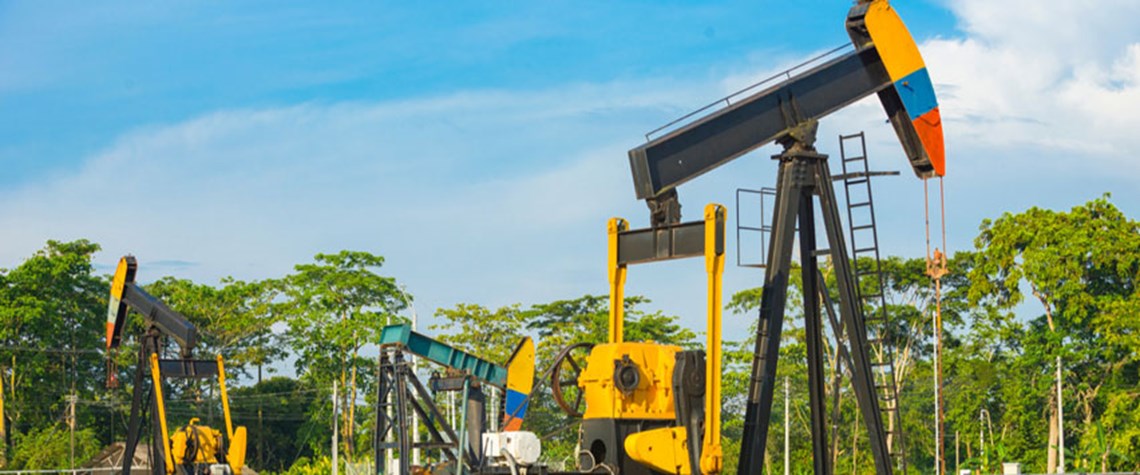
Colombian oil production has slipped into decline
Warning signs for Colombia’s upstream
The clock is ticking to prevent years of crude production decline ending the country’s ability to meet its own energy needs
Months of national protests last year dealt another blow to Colombia’s ambitions of reviving its flagging crude production. The country’s National Hydrocarbons Agency (ANH) estimates that output averaged just 736,397bl/d in 2021, down from 779,119bl/d the year before, which was already an 11-year low. “There has not been a significant increase in proven resource volume in years,” says Sofia Forestieri, an upstream analyst at consultancy Rystad Energy. “Crude resources total 1.8bn bl and, at the current rate, [Colombia] will only be able to sustain production for another five or six years.” Latin America’s third-largest oil producer reached peak production in 2013, with output at 990,000bl/d,

Also in this section
13 March 2026
Brussels is again weighing a cap on gas prices amid the Hormuz crisis, but the measure could backfire by deterring the LNG cargoes Europe urgently needs
12 March 2026
Emergency oil stocks provide a last line of defence to oil market shocks, so the IEA’s unprecedented 400m bl release represents something of a double-edged sword
12 March 2026
LPG could rapidly expand access to clean cooking across Africa and prevent hundreds of thousands of deaths from indoor air pollution each year, but infrastructure shortages and regulatory barriers are slowing investment and market growth
11 March 2026
Missiles over Dubai and disruption in Hormuz are testing the emirate’s reputation—and shaking the energy hub at the centre of the Gulf economy


