


Conflict cripples Libya's oil sector
The latest battle for Libya’s key oil ports—the fourth in as many years—leaves vital infrastructure destroyed and the country’s production recovery in jeopardy
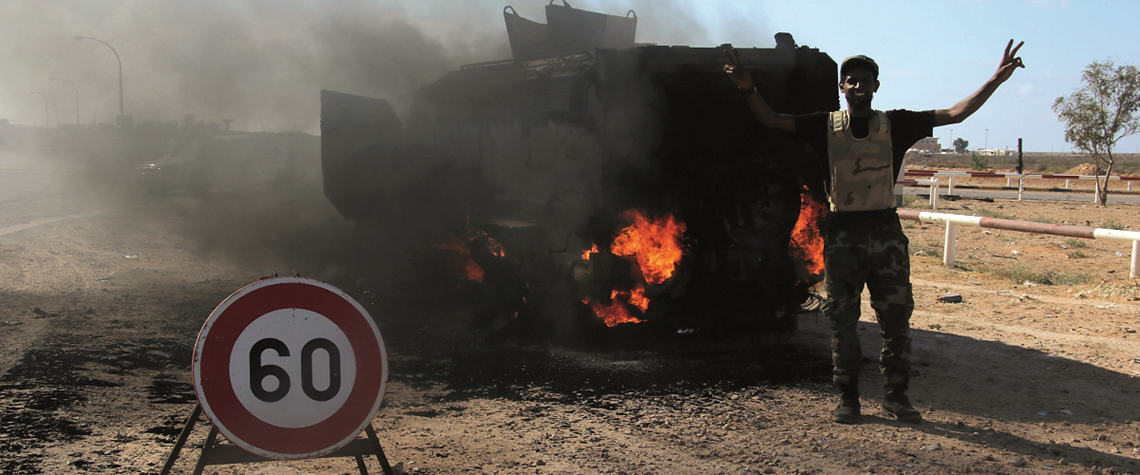
Fighting began on 14 June when warlord Ibrahim Jathran led his grandly named but poorly equipped militia, the Petroleum Facilities Guard (PFG), in an attack that seized Es Sider, Libya's largest export terminal, and nearby Ras Lanuf, its largest refinery. Jathran's militia were originally formed to guard the ports, which take exports from the Sirte Basin, home to two-thirds of Libya's production. But from 2013, they blockaded the terminals demanding huge payments. The blockade ended in September 2016 when Khalifa Hafter's Libya National Army (LNA) seized them, opening them for business. Since that capture, Libya's oil production has jumped from 220,000 barrels a day to hit 1m b/d in June las

Also in this section
13 March 2026
Brussels is again weighing a cap on gas prices amid the Hormuz crisis, but the measure could backfire by deterring the LNG cargoes Europe urgently needs
12 March 2026
Emergency oil stocks provide a last line of defence to oil market shocks, so the IEA’s unprecedented 400m bl release represents something of a double-edged sword
12 March 2026
LPG could rapidly expand access to clean cooking across Africa and prevent hundreds of thousands of deaths from indoor air pollution each year, but infrastructure shortages and regulatory barriers are slowing investment and market growth
11 March 2026
Missiles over Dubai and disruption in Hormuz are testing the emirate’s reputation—and shaking the energy hub at the centre of the Gulf economy


