


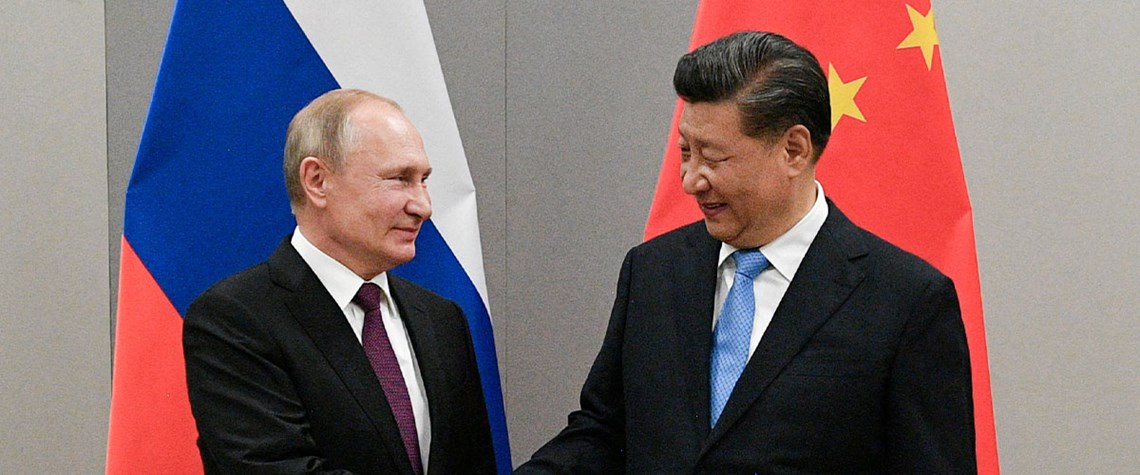
Russia seeks deeper energy cooperation with China
Siberian Spring: Russia-China energy relations poised for growth
The fallout from Russia’s invasion of Ukraine is likely to spur closer energy cooperation between Moscow and Beijing, although significant hurdles remain
A glance at Russia’s oil and gas infrastructure map tells you everything you need to know about Moscow’s energy priorities up to now. West of the Yenisei River, which traditionally divides Siberia into its western and eastern halves, the map is filled by an intricate network of pipelines connecting Yamal to European oil and gas markets. To the east, however, the map is almost bare. Despite China being the world's largest energy market, Russia has been so far slow to grasp the opportunity. But perhaps its relative tardiness is by design. It is often said that Russia and China are bound together by their mutual distrust. Despite huge reserves and geographical proximity to China, Russia account

Also in this section
16 April 2026
Demand for oil is falling because supply cannot meet it, not because it is no longer required
16 April 2026
The continent has an immediate opportunity to make the most of its energy resources by capturing gas that is currently slipping away
15 April 2026
The continent is seeing political pushback to climate plans, corporate reassessment of transition goals and rising supply risk in a fractured global order
15 April 2026
The Middle East energy crisis may turn out to be pivotal to the industry’s long-term expansion, but significant challenges still stand in its way


