


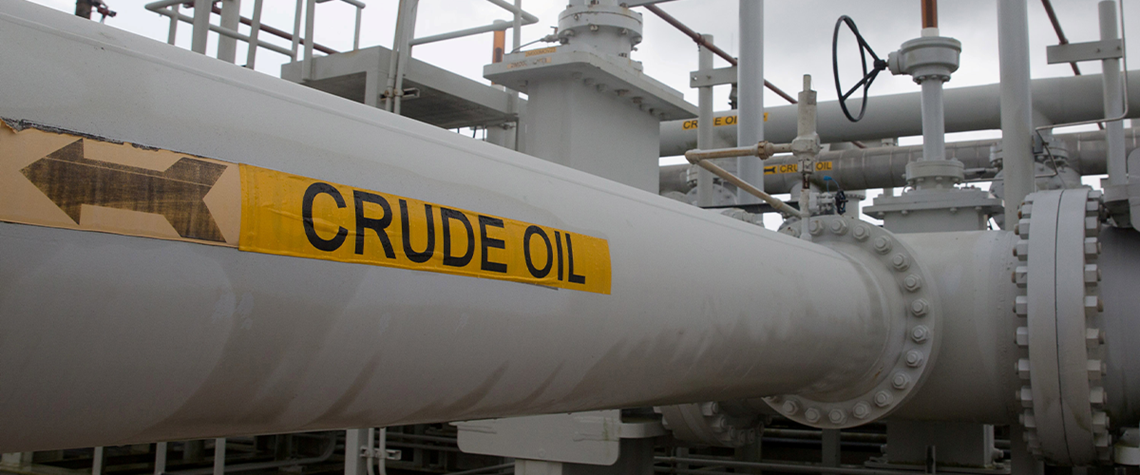
The US SPR in Freeport, Texas
US SPR faces existential crisis
As the 50th anniversary of the Arab oil embargo approaches, policymakers gripped by energy security fears must start rethinking the purpose of emergency oil stocks
The 1973–74 Arab oil embargo caused oil prices to skyrocket and prompted consuming nations to set up emergency reserves and the IEA. While these stockpiles are a crucial insurance policy for OECD economies, the US is no longer so dependent on imports and has changed the way it uses its strategic petroleum reserve (SPR). To refill or not to refill is now the question. The 2022 shock and awe tactic of releasing 180m bl from the SPR was the largest ever, undertaken from a starting reserve level of about 600m bl. For collective action (emergency drawdown), each member country’s contribution is proportionate to its share of total oil consumption. While IEA rules require each member state to hold

Also in this section
5 March 2026
Gas is a central pillar of Colombia’s energy system, but declining production poses a significant challenge, and LNG will be increasingly needed as a stopgap. A recent major offshore gas discovery offers hope, but policy improvements are also required, Camilo Morales, secretary general of Naturgas, the Colombian gas association, tells Petroleum Economist
4 March 2026
The continent’s inventories were already depleted before conflict erupted in the Middle East, causing prices to spike ahead of the crucial summer refilling season
4 March 2026
The US president has repeatedly promised to lower gasoline prices, but this ambition conflicts with his parallel aim to increase drilling and could be upended by his war against Iran
4 March 2026
With the Strait of Hormuz effectively closed following US-Israel strikes and Iran’s retaliatory escalation, Fujairah has become the region’s critical pressure release valve—and is now under serious threat


