


Newsletters | Request Trial | Log in | Advertise | Digital Issue   |   Search
  • Upstream
  • Midstream & Downstream
  • Gas & LNG
  • Trading & Markets
  • Corporate & Finance
  • Geopolitics
  • Podcasts
Search
Related Articles
US shale needs to find new efficiencies
Output looks to a growth model based around doing more with less given green policy pressure, with tech advancements, equipment upgrades and fiscal tools key
Letter from London: The unbearable lightness of being US shale
While the US has been breaking records for its premium grade crude, there are doubts over whether you can have too much of a good thing
ExxonMobil deal will transform shale and beyond
The major’s $60bn Pioneer purchase signals long-term view of oil demand and a mature consolidated shale industry
US shale starts 2023 in ‘realistic’ mood
First-quarter shale results show ongoing restraint amid signs of cost deflation
Ineos Energy leans into oil with US shale deal
Company ready to develop Eagle Ford shale after $1.4bn deal with Chesapeake Energy, chairman Brian Gilvary tells Petroleum Economist in an interview
Bakken boosts its gas infrastructure
Oil is still a serious business in the Bakken shale, but when it comes to midstream, the money is on gas
Permian still primed for growth
Expansion prospects for the dominant oil shale basin remain in 2023
Bakken faces inventory concerns
The North Dakota shale basin nears a looming acreage problem
Argentina plays midstream waiting game
The arrival of additional gas takeaway capacity this year is welcome news for E&Ps, but much more will be needed if the Vaca Muerta is ever going to replicate US shale
US rig market set for subdued year
Analysts agree there will not be any great leap forward in US shale drilling in 2023
Tight oil Shale
Vincent Lauerman
23 January 2020
Follow @PetroleumEcon
Forward article link
Share PDF with colleagues

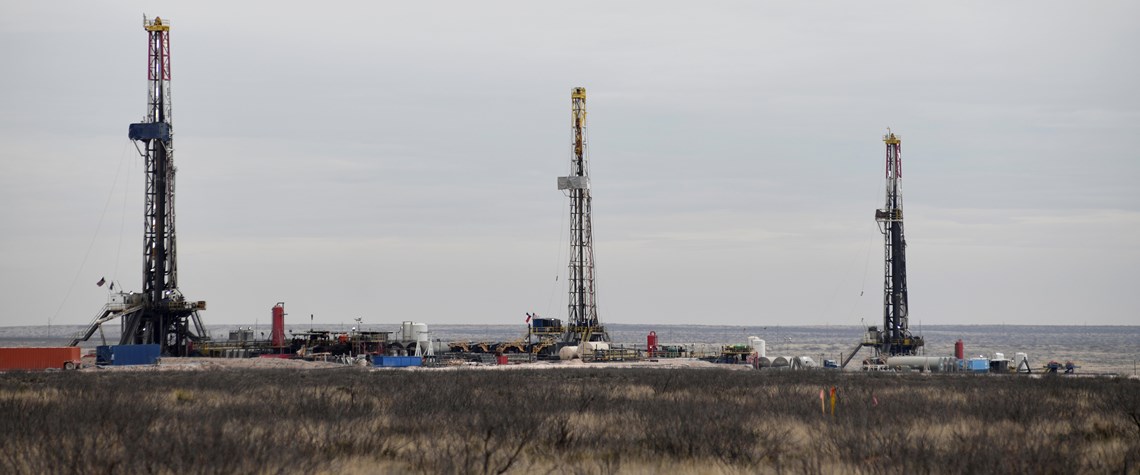
US shale patch faces worsening headwinds

Mounting constraints on US light-tight oil only compound the hazardous task of predicting growth

Major oil forecasting organisations, such as the IEA, EIA and Opec, have severely underestimated growth in US light-tight oil (LTO)—and shale-related natural gas liquids (NGLs)—production for much of the last decade. But over recent years, the Big 3 oil forecasters, especially the IEA, have significantly reversed this trend, ramping up their medium-term projections for US LTO growth. Are they about to finally get it right, or have they jumped on the bandwagon just in time for it to lose a wheel?  Growth in US LTO production has dropped like a stone since peaking in August 2018. Increasingly production out of the prolific Permian has been pivotal to US output, in sharp contrast to the Eagle F

Also in this section
OPEC and the evolving global oil order
29 April 2026
The UAE’s exit from the alliance marks a decisive step towards a world in which oil markets are shaped less by collective management and more by national strategy
Billion-dollar deal sees Gabon swap barrels for instant cash
29 April 2026
Trafigura’s $1b prepayment agreement confirms African resource holders’ renewed interest in oil-backed financing deals as they look to capitalise on high oil prices
Why the UAE decided to quit OPEC
29 April 2026
The UAE’s departure from the oil producers’ group was a surprise to many, but the move can be traced back to a single point five years ago
Letter from the US: This crisis Is different
Opinion
28 April 2026
Oil traders warning of $200/bl oil are wrong, and the market should be wary of proclamations that the impact of the oil shortage has only begun to be felt and a that a ‘harsh adjustment’ is coming—even for industrialised nations

Share PDF with colleagues

COPYRIGHT NOTICE: PDF sharing is permitted internally for Petroleum Economist Gold Members only. Usage of this PDF is restricted by <%= If(IsLoggedIn, User.CompanyName, "")%>’s agreement with Petroleum Economist – exceeding the terms of your licence by forwarding outside of the company or placing on any external network is considered a breach of copyright. Such instances are punishable by fines of up to US$1,500 per infringement
Send

Forward article Link

Send
Sign Up For Our Newsletter
Project Data
Maps
Podcasts
Social Links
Featured Video
Home
  • About us
  • Subscribe
  • Reaching your audience
  • PE Store
  • Terms and conditions
  • Contact us
  • Privacy statement
  • Cookies
  • Sitemap
All material subject to strictly enforced copyright laws © 2025 The Petroleum Economist Ltd
Cookie Settings
;

Search
