


Newsletters | Request Trial | Log in | Advertise | Digital Issue   |   Search
  • Upstream
  • Midstream & Downstream
  • Gas & LNG
  • Trading & Markets
  • Corporate & Finance
  • Geopolitics
  • Podcasts
Search
Related Articles
OPEC and the evolving global oil order
The UAE’s exit from the alliance marks a decisive step towards a world in which oil markets are shaped less by collective management and more by national strategy
Mideast plans big spending on gas to meet demand
The region’s gas producers are investing heavily in the fuel in order to satisfy burgeoning demand resulting from economic growth and a shift to cleaner fuels
Letter from Dubai: A safe haven under fire
Missiles over Dubai and disruption in Hormuz are testing the emirate’s reputation—and shaking the energy hub at the centre of the Gulf economy
Explainer: Fujairah on high alert
With the Strait of Hormuz effectively closed following US-Israel strikes and Iran’s retaliatory escalation, Fujairah has become the region’s critical pressure release valve—and is now under serious threat
Letter from the Middle East: Aramco provides big global gas reveal
The Saudi energy leader’s announcement of first production at Jafurah and the launch of operations at the Tanajib Gas Plant marks a turning point not just for the company, but for the world’s energy landscape
OPEC+’s cohesive restraint
The alliance is keeping output on track and the market in balance amid geopolitical tensions and a fragile supply-demand ledger
Letter from Saudi Arabia: Big oil meets big shovel
As Saudi Arabia pushes mining as a new pillar of its economy, Saudi Aramco is positioning itself at the intersection of hydrocarbons, minerals and industrial policy
Outlook 2026: From wells to wafers – How MENA is powering the new energy–data nexus
Leading economies in the region are using oil and gas revenues to fund mineral strategies and power hyperscale computing
OPEC’s discipline sets tone for 2026
OPEC+ remains on track as output falls, with only Gabon failing to hit its output targets in December, although Kazakhstan’s compliance was involuntary
OPEC presses pause
The group’s oil production declined in November, our latest analysis finds, amid divided sentiment over market balances and geopolitical jitters
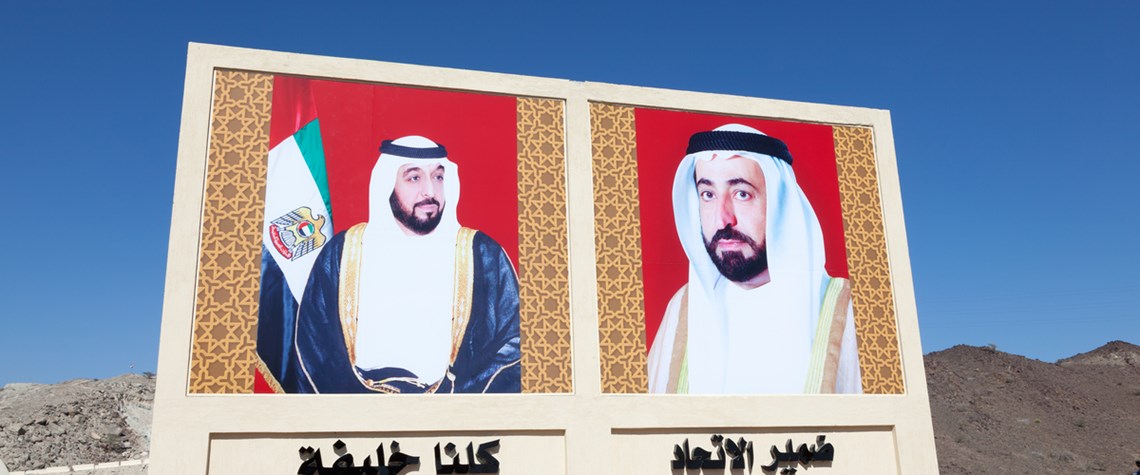
UAE President Khalifa bin Zayed Al Nahyan and Sheikh Mohammed bin Rashid Al Maktoum
Opec Saudi Arabia UAE
Neil Quilliam
2 August 2021
Follow @PetroleumEcon
Forward article link
Share PDF with colleagues

Opec faces longer-term challenges

The organisation may have smoothed over the cracks this time. But the UAE’s very public dissent may be just the first sign of things to come

It was little surprise that Saudi Arabia and the UAE eventually reached a compromise on Opec production and baselines, despite the high drama at the latest Opec ministerial meeting. What was surprising, though, was the public nature of the disagreement and the willingness of UAE officials to joust so vigorously with their Saudi counterparts in international media, leading to energy minister Prince Abdulaziz bin Salman playing much more a la guerre than a plaisance. Opec has had its fair share of drama over the years. Nevertheless, the fact that the two erstwhile allies who have worked closely on finessing the cartel’s policies for decades and, since 2015, co-ordinated on a range of regional

Also in this section
OPEC and the evolving global oil order
29 April 2026
The UAE’s exit from the alliance marks a decisive step towards a world in which oil markets are shaped less by collective management and more by national strategy
Billion-dollar deal sees Gabon swap barrels for instant cash
29 April 2026
Trafigura’s $1b prepayment agreement confirms African resource holders’ renewed interest in oil-backed financing deals as they look to capitalise on high oil prices
Why the UAE decided to quit OPEC
29 April 2026
The UAE’s departure from the oil producers’ group was a surprise to many, but the move can be traced back to a single point five years ago
Letter from the US: This crisis Is different
Opinion
28 April 2026
Oil traders warning of $200/bl oil are wrong, and the market should be wary of proclamations that the impact of the oil shortage has only begun to be felt and a that a ‘harsh adjustment’ is coming—even for industrialised nations

Share PDF with colleagues

COPYRIGHT NOTICE: PDF sharing is permitted internally for Petroleum Economist Gold Members only. Usage of this PDF is restricted by <%= If(IsLoggedIn, User.CompanyName, "")%>’s agreement with Petroleum Economist – exceeding the terms of your licence by forwarding outside of the company or placing on any external network is considered a breach of copyright. Such instances are punishable by fines of up to US$1,500 per infringement
Send

Forward article Link

Send
Sign Up For Our Newsletter
Project Data
Maps
Podcasts
Social Links
Featured Video
Home
  • About us
  • Subscribe
  • Reaching your audience
  • PE Store
  • Terms and conditions
  • Contact us
  • Privacy statement
  • Cookies
  • Sitemap
All material subject to strictly enforced copyright laws © 2025 The Petroleum Economist Ltd
Cookie Settings
;

Search
