


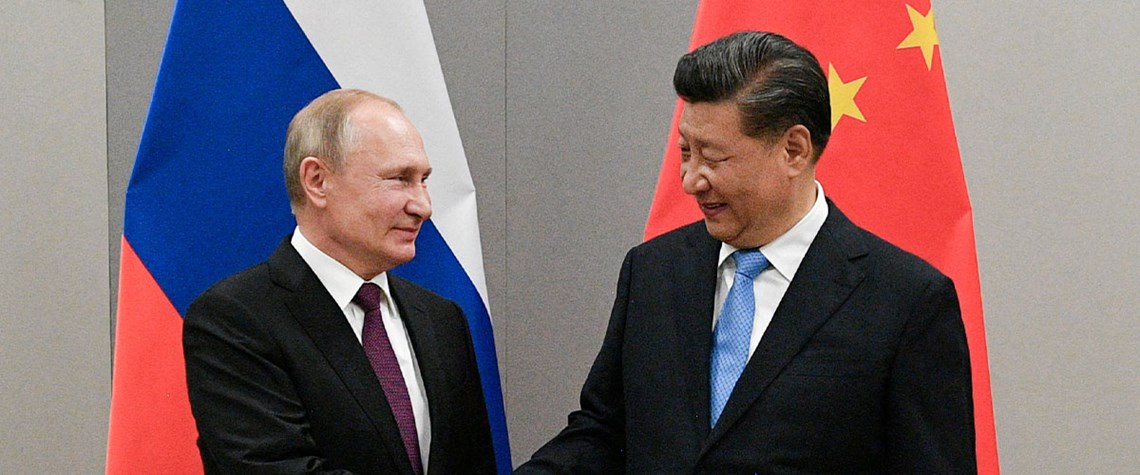
Russia seeks deeper energy cooperation with China
Siberian Spring: Russia-China energy relations poised for growth
The fallout from Russia’s invasion of Ukraine is likely to spur closer energy cooperation between Moscow and Beijing, although significant hurdles remain
A glance at Russia’s oil and gas infrastructure map tells you everything you need to know about Moscow’s energy priorities up to now. West of the Yenisei River, which traditionally divides Siberia into its western and eastern halves, the map is filled by an intricate network of pipelines connecting Yamal to European oil and gas markets. To the east, however, the map is almost bare. Despite China being the world's largest energy market, Russia has been so far slow to grasp the opportunity. But perhaps its relative tardiness is by design. It is often said that Russia and China are bound together by their mutual distrust. Despite huge reserves and geographical proximity to China, Russia account

Also in this section
5 March 2026
Gas is a central pillar of Colombia’s energy system, but declining production poses a significant challenge, and LNG will be increasingly needed as a stopgap. A recent major offshore gas discovery offers hope, but policy improvements are also required, Camilo Morales, secretary general of Naturgas, the Colombian gas association, tells Petroleum Economist
4 March 2026
The continent’s inventories were already depleted before conflict erupted in the Middle East, causing prices to spike ahead of the crucial summer refilling season
4 March 2026
The US president has repeatedly promised to lower gasoline prices, but this ambition conflicts with his parallel aim to increase drilling and could be upended by his war against Iran
4 March 2026
With the Strait of Hormuz effectively closed following US-Israel strikes and Iran’s retaliatory escalation, Fujairah has become the region’s critical pressure release valve—and is now under serious threat


