


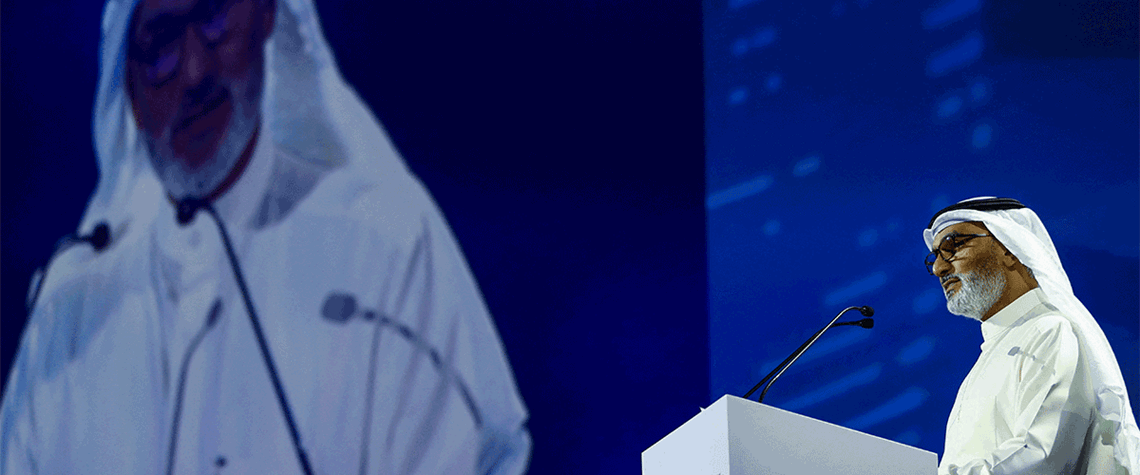
Outlook 2024: The evolving role of OPEC and OPEC+
The organisation remains vital to ensuring future energy demand is met
Founded in September 1960 at what has become known as the Baghdad Conference, OPEC began life as five oil-producing member countries: Iran, Iraq, Kuwait, Saudi Arabia and Venezuela. Previously, powerful outside interests in the shape of the leading international oil companies of the day dominated almost all aspects of the development, production and sale of crude oil, while the countries from whose lands the crude oil was extracted received only minimal returns, hindering their national development. Over the ensuing decades, however, OPEC’s member countries—today numbering 13—have evolved to run their own domestic oil sectors, and the organisation has become a respected member of the interna

Also in this section
13 March 2026
Brussels is again weighing a cap on gas prices amid the Hormuz crisis, but the measure could backfire by deterring the LNG cargoes Europe urgently needs
12 March 2026
Emergency oil stocks provide a last line of defence to oil market shocks, so the IEA’s unprecedented 400m bl release represents something of a double-edged sword
12 March 2026
LPG could rapidly expand access to clean cooking across Africa and prevent hundreds of thousands of deaths from indoor air pollution each year, but infrastructure shortages and regulatory barriers are slowing investment and market growth
11 March 2026
Missiles over Dubai and disruption in Hormuz are testing the emirate’s reputation—and shaking the energy hub at the centre of the Gulf economy


